After a Fire Event: What Business Owners Should Gather Before Reopening Discussions
The first few days after a fire rarely feel orderly. Owners are trying to understand what happened, employees want answers, tenants or customers are asking when operations will resume, and the building itself may still be under restricted access. In that fog, reopening conversations often start too early and with too little information. That is where costly mistakes creep in.
What helps is not speed for its own sake, but a clean package of facts. When owners walk into a reopening discussion with the right records, they make better decisions about scope, schedule, temporary protections, and code requirements. They also give contractors, insurers, and the authority having jurisdiction something solid to work from. In Denver and surrounding Colorado communities, that matters even more because local code adoption can include amendments beyond the base model code. A requirement that seems straightforward on paper may play out differently once the local fire marshal or building department reviews the actual site conditions.
I have seen owners lose a week over a missing alarm panel history report, another two weeks because no one could confirm the last sprinkler inspection, and even more time because drawings were buried in a smoke-damaged office. The businesses that recover best are not always the ones with the least damage. They are usually the ones that gather the right documents quickly and keep their reopening discussion rooted in evidence.
Start with what the fire changed, not just what it damaged
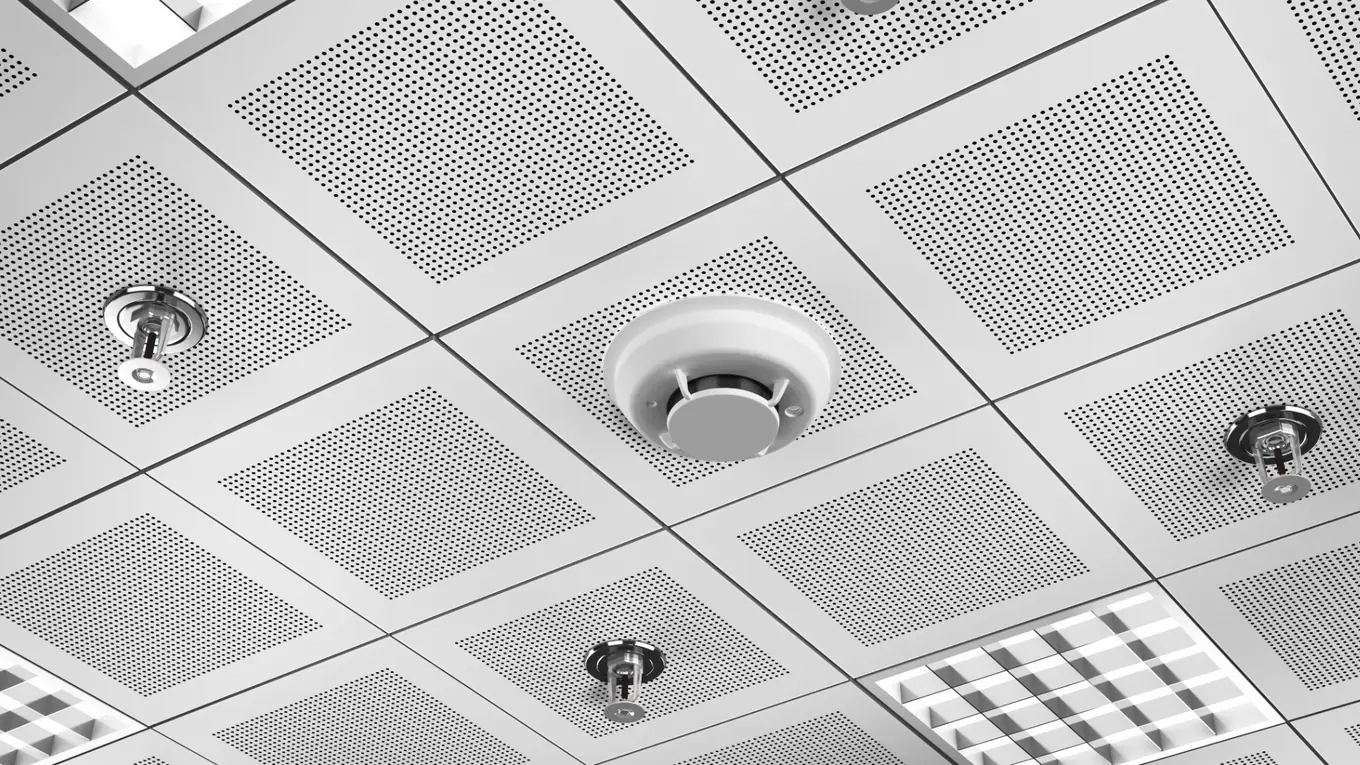
A fire event changes more than charred materials. It can affect detection, notification, suppression, utilities, occupancy limits, cooking operations, storage practices, and monitoring. Even smoke from a relatively small incident can compromise sensitive devices or leave residue that affects reliability. Water discharge adds another layer. A sprinkler head that operated, a valve that was closed during response, or a detector exposed to heat can all trigger follow-up work before anyone can safely talk about reopening.
Owners sometimes focus only on visible repairs, drywall, wiring, equipment replacement, flooring, ceilings. Those are important, but reopening discussions usually hinge on life safety first. If your fire alarm detectors and panels Denver property managers rely on were exposed to smoke, heat, water, or power disruption, that will likely shape the schedule. If the sprinkler riser room flooded or if branch lines were struck during cleanup, the question is not simply whether the system looks intact. The question is whether it can be returned to dependable service and documented as such.
That distinction matters because systems are expected to perform immediately when needed. Water-based fire protection systems are not decorative infrastructure. Their inspection, testing, and maintenance requirements exist because hidden deficiencies are common. Alarm systems are similar. Monitoring, signaling, and device performance are part of the safety picture, not paperwork after the fact.
The core file every owner should build before the first serious reopening meeting
You do not need a glossy binder. You need a working file, digital if possible, with the key records everyone will ask for. Gather it fast, label it clearly, and update it as conditions change.
- The incident record, including the date, time, area affected, and any initial findings from emergency response or facility staff
- The most recent inspection, testing, and maintenance records for sprinkler, alarm, suppression, and monitoring systems
- Current building drawings, as-builts, panel directories, riser information, and device maps if available
- A damage log with photos, notes on affected rooms, and any known impairments to life safety systems
- Contact information for the insurer, restoration vendor, alarm company, sprinkler contractor, kitchen suppression provider, and property representative
That short list seems basic, but many businesses do not have it assembled in one place. When people are hunting through email chains for a panel report, a monitoring account number, or a test form from last spring, the discussion shifts from strategy to scavenger hunt.
The inspection and testing records are especially valuable. For sprinkler systems, NFPA 25 is the main standard covering inspection, testing, and maintenance of water-based fire protection systems. It sets minimum frequencies for many tasks, and those intervals vary. Some are monthly, some quarterly, some annual, some semiannual, and some spread across multiple years. For a reopening conversation, the practical question is simple: what was the system condition before the fire, what changed during the event, and what now needs to be inspected, repaired, or retested?
For alarm systems, NFPA 72 governs design, inspection, testing, and maintenance of fire alarm and signaling systems, including monitoring and emergency communications functions. After a fire, owners should expect people to ask for the last test date, device inventory if available, monitoring details, and any known troubles, supervisory signals, or nuisance issues before the incident.
Why pre-loss records can save more time than demolition crews
There is a big difference between proving a system was maintained and merely saying it probably was. If you have recent reports showing compliance work was being performed on schedule, the post-fire team can often narrow its focus to affected areas and known impairments. If no one can establish the baseline, everything gets slower.
Take a property with a dry pipe sprinkler system Colorado owners use in unheated areas. If the fire affected only a finished tenant suite but no one can produce recent dry pipe trip testing or inspection records, the conversation may expand well beyond the fire room. Questions come up about valve condition, air pressure supervision, corrosion concerns, and whether nearby cold-weather spaces had any unresolved issues before the incident. The same logic applies to a pre action sprinkler system Denver facilities might use around sensitive equipment or special hazards. These systems add complexity, and reopening talks go better when the owner has current documentation on releasing components, alarms, valves, and testing history.
In Colorado, cold weather introduces another recurring concern. If the event happened in winter, or if parts of the building will sit partially unheated during repairs, sprinkler freeze protection Colorado business owners plan for becomes part of the reopening discussion even if freezing had nothing to do with the original fire. Temporary heat, impaired zones, water-filled piping, and exposed loading areas all deserve attention. That is not a detail to leave for later, because a freeze break during recovery can turn a limited fire loss into a broader shutdown.
Alarm history matters more than many owners expect
One of the most overlooked records after a fire is the alarm event and trouble history. It tells a story. Repeated troubles, communication failures, disabled points, or recurring nuisance signals can all affect what happens next. In Denver, false alarm issues are not just an annoyance. Local code amendments address problematic systems and repeated unintentional false alarms, including repair or replacement expectations and reimbursement for some responses. That means if you already had a pattern of fire alarm false alarms Denver authorities were concerned about before the fire, reopening discussions may include stronger questions about system condition and corrective action.
This is where clean documentation helps. Owners should ask their provider for recent reports related to fire alarm detectors and panels Denver buildings depend on, plus any monitoring history that shows alarms, supervisory signals, troubles, and restorals. If the property uses fire alarm monitoring Aurora CO businesses commonly maintain through a central station or comparable arrangement, have the account details and recent communication logs ready. Denver code requires some alarm or emergency communication functions to transmit to a central station, commercial monitoring service, or continuously staffed monitoring service, depending on the application. Whether that applies to your specific occupancy is a local code question, but the point is the same: monitoring cannot be treated as an afterthought.
I once watched a reopening meeting stall because everyone assumed the monitoring link was still active after a fire damaged a telecom room. The panel could make noise locally, but no one had verified the off-site signal path. That single gap changed the timeline and forced an immediate rework of the temporary safety plan.
Kitchens, special hazards, and spaces that need their own paper trail
If the fire involved food service, gather every record tied to the hood and suppression system before you discuss reopening. A commercial kitchen fire suppression Denver restaurant owners rely on is often a separate line of conversation from the building sprinkler system and the main fire alarm. Wet chemical suppression, appliance shutoffs, hood cleaning condition, and interface with the alarm panel can all come into play. Even if the kitchen fire was small and quickly controlled, the question becomes whether the suppression system discharged, was partially activated, or needs service before reuse.
Special hazard spaces deserve the same care. Server rooms, archives, telecom rooms, and some industrial process areas may use clean agent fire suppression Colorado facilities choose to avoid water damage. If that kind of system was exposed to fire, smoke, or accidental discharge conditions, owners should gather maintenance records, room integrity information if available, and details on any interlocks or shutdowns tied to the event. Reopening discussions go sideways when people treat these systems like ordinary sprinklers. They are not.
This is also the stage where owners should identify whether any hazardous materials, regulated storage, or specialized processes are part of the business. Colorado and local fire authorities may require permits and inspections for certain regulated fire safety work or hazardous materials situations. If those operations are click here part of your occupancy, plan for authority review and scheduling. Nothing derails a reopening date faster than discovering midway through repairs that a permit path or special inspection was never lined up.
Drawings, maps, and one-line summaries are worth their weight in copper
A lot of post-fire confusion comes from not knowing what serves what. Which riser covers the damaged suite? Which panel loop feeds the affected detector circuit? Did the kitchen suppression release tie into a common notification sequence? Which remote area is on a dry system, and which is wet? These questions are easy when drawings are current and painful when they are not.
You do not need perfect archival plans to have a useful conversation. Even partial drawings, riser diagrams, zone maps, and panel directories can cut hours from the process. If the building has seen remodels, note where the documents may not reflect field conditions. Honest uncertainty is better than false confidence.
A smart owner also prepares a one-page summary in plain English. Not a technical report, just a clear snapshot. Something like: fire originated in back prep area, one sprinkler operated, smoke affected front dining room and corridor, kitchen suppression status pending service, alarm panel in trouble after event, monitoring path under review, temporary closure in effect. That summary helps every party start from the same baseline.
Questions to answer before anyone promises a reopening date
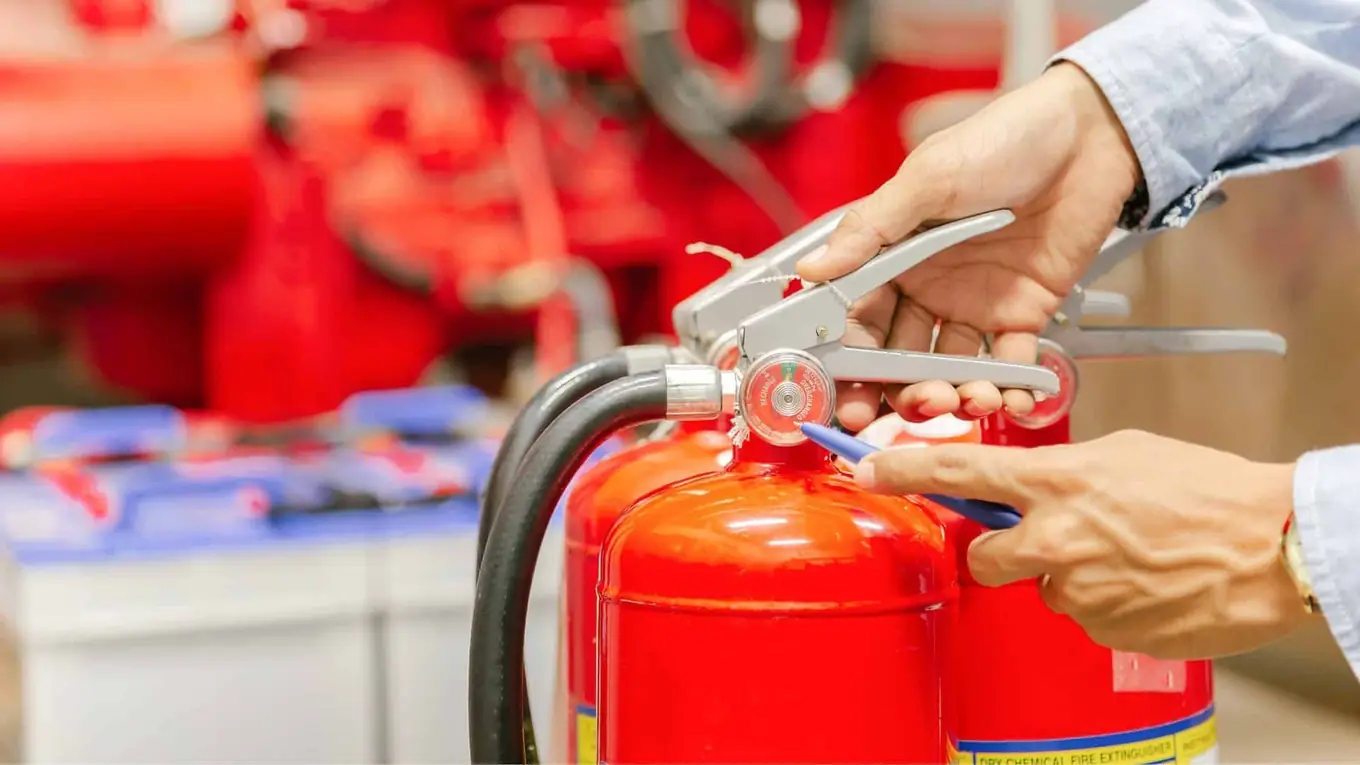
Deadlines create pressure, and pressure makes people guess. Try not to guess. Before you let anyone float a reopening date publicly, work through a short set of practical questions.
- Which fire protection systems were directly affected, and which were indirectly impaired during response, cleanup, or utility shutdown
- What records prove the last known condition of those systems before the incident
- What inspections, tests, repairs, or replacements are now required to restore reliable operation
- What local approvals, permits, or authority reviews may be needed before reoccupancy
- What temporary measures are in place while any system remains impaired
Those questions keep the conversation grounded. They also expose trade-offs. For example, a business may be able to reopen part of a building while another area stays under repair, but only if the fire protection arrangement, occupancy use, and authority review support that plan. A partial reopening is not simply a business decision. It is a life safety decision with documentation attached to it.
Inspection frequency is not trivia after a fire
People sometimes ask about fire sprinkler inspection frequency Colorado properties are expected to follow as if it is a routine compliance matter unrelated to recovery. After a fire, it becomes very relevant. Frequency helps establish what should exist in your records and what may now be overdue or newly required. NFPA 25 uses different intervals for different tasks. That means a business might have some sprinkler documentation from the last month, some from the last quarter, some from the last year, and some from a longer cycle. Those records together create the maintenance story.
The same is true on the alarm side with NFPA 72 fire alarm testing Denver businesses schedule. Post-event discussions often involve more than a basic reset. Depending on what was affected, there may be follow-up testing, verification of signaling paths, device replacement, interface checks, or broader evaluation if smoke and heat conditions were significant. Owners do not need to dictate the technical scope themselves, but they do need to walk into the room understanding that routine annual paperwork and post-fire verification are not the same thing.
That is why I advise owners to ask for both the last routine reports and a written outline of what the service provider believes is now necessary because of the incident. One looks backward at baseline condition. The other looks forward at recovery.
Certification, sign-off, and the dangerous phrase “it seems fine”
Few phrases are more expensive after a fire than “it seems fine.” Systems need proper evaluation, and reopening conversations should end with clear expectations for restoration and sign-off. Depending on the work performed and the local process, owners may hear terms like acceptance, final inspection, test reports, or fire system certification Denver contractors or code officials request before occupancy resumes. The exact path can vary by scope and by local requirements, which is why early contact with the authority having jurisdiction matters.
Denver adopts the ICC family of codes with local amendments, so owners should not assume that a generic checklist from another city applies unchanged. Confirm project requirements with the local fire marshal or other authority involved. That is especially important if the fire triggered remodeling, occupancy changes, equipment replacement, or modifications to alarm or suppression systems. What begins as restoration can easily cross into permitted work.
A useful mindset here is that documentation is part of the repair. If a sprinkler contractor replaces heads, valves, or damaged components, keep the reports. If the alarm vendor performs testing after smoke cleanup, keep the records. If a kitchen system is recharged or components are replaced, keep that service paperwork. If a fire safety inspection Lakewood CO or nearby jurisdiction officials require is part of your path back, build that into the timeline rather than treating it as a final hurdle.
What owners often forget to gather until it is too late
There are some repeat misses I see again and again. One is not collecting photo evidence early enough. Another is failing to note exactly which spaces were inaccessible right after the event. A third is overlooking the human knowledge inside the building. The maintenance lead who knows that a valve was shut for repair last month, or the manager who remembers a recurring detector trouble at the back exit, can fill gaps the paperwork does not cover.
Another common miss is not separating confirmed facts from assumptions. If you know one sprinkler activated, say that. If you suspect smoke reached the mezzanine but have not confirmed it, label it as unconfirmed. Clean distinctions save arguments later.
Owners also underestimate how often false starts happen during recovery. A business may think it is days from reopening, then discover a panel communication issue, a missing permit, or a damaged suppression component hidden above the ceiling. That does not always reflect poor work. It often reflects poor information at the start. Better records do not eliminate surprises, but they shrink them.
A steadier way to approach the first reopening conversation
The best reopening discussions are calm, specific, and a little boring. That may sound odd after a fire, but boring is good. Boring means people are talking from reports, drawings, incident notes, and current conditions instead of memory and pressure.
Come into the meeting with your incident summary, your maintenance and testing records, your drawings, your damage log, and your list of open questions. Ask what has been confirmed, what still needs field verification, what requires authority review, and what temporary protections are needed if any system remains impaired. If someone gives you a date, ask what assumptions that date depends on. If those assumptions include unverified system condition, unconfirmed monitoring, or pending inspections, then the date is still soft no matter how confident it sounds.
A fire event is disruptive enough on its own. The recovery gets much easier when owners gather the right material before the reopening talk begins. Not because paperwork fixes damage, but because solid information gives every next decision a firmer floor.