Clean Agent Fire Suppression Colorado: A Plain Language Guide for Server Rooms and Sensitive Areas
If you manage a server room, telecom closet, records archive, control room, or another space packed with electronics, you already understand the basic tension. You need real fire protection, but you also need to think hard about what happens after activation. In Colorado, that conversation usually starts with code, risk, and building conditions long before anyone picks equipment.
A lot of owners begin with a simple question: should this room be protected by sprinklers, a clean agent system, or both? The honest answer is that it depends on the room, the building, the local code path, and what the authority having jurisdiction wants to see. Denver and nearby jurisdictions adopt model codes with local amendments, which means the local fire marshal or plan reviewer can matter just as much as the base code book. That is not red tape for the sake of it. It is the reality of getting a system approved, tested, and accepted without expensive rework.
This guide is meant to make that process easier to understand in plain language.
Why clean agent conversations come up in Colorado server rooms
In practice, clean agent fire suppression Colorado projects usually come up in spaces where continuity matters. A business may have one room that carries its phones, cameras, access control, files, network switches, and backup systems. Another may run a small data room that keeps an entire warehouse operating. When that room goes down, the loss is not only physical. It is operational.
That is why these projects are rarely just about one suppression method. They sit at the intersection of detection, notification, monitoring, permitting, documentation, and ongoing service. The suppression side gets attention, but the alarm side often determines whether the system is dependable or troublesome.
I have seen owners spend weeks discussing the discharge method while overlooking the condition of their fire alarm detectors and panels Denver infrastructure. Then the project reaches review, and the weak point is not the protected room at all. It is the aging panel, incompatible devices, unclear sequence of operations, or missing monitoring arrangement. A suppression system is only one piece of the fire protection picture.
The other Colorado-specific factor is climate. In heated interior spaces, the weather may not be a big issue. In unconditioned areas, loading docks, attic zones, parking structures, and exterior riser rooms, winter changes the design conversation immediately. That is where topics like a dry pipe sprinkler system Colorado owners rely on, or sprinkler freeze protection Colorado strategies, become central. Even if your server room is deep inside the building, the route to protecting it may pass through cold spaces or involve systems affected by local winter conditions.
What “clean agent” usually means in a real project discussion
At the owner level, “clean agent” is often shorthand for a suppression approach selected for sensitive environments. It is usually discussed as an alternative or companion to water-based fire protection in specific rooms, not as a blanket substitute for all sprinkler protection throughout a building.
That distinction matters. A server room inside a fully sprinklered building does not exist in isolation. The room may have dedicated suppression goals, but the building still has broad fire protection requirements that can include water-based systems, fire alarm functions, and monitoring obligations.
In Denver, local code adoption includes amendments. That means the path from concept to sign-off should include early confirmation with the authority having jurisdiction. If you skip that step, you risk designing around assumptions that do not survive plan review. It is especially important when a project touches life safety systems, emergency communication, monitoring, or specialized hazards.
I usually tell owners to think of a server room fire protection project as three linked decisions rather than one. First, what hazard are you trying to control in that room? Second, how will the room communicate with the rest of the building systems? Third, what inspection and testing burden are you accepting over the life of the system?
That last point gets ignored more often than it should.
Water-based systems are still part of the conversation
Even when a clean agent system is under consideration, traditional sprinkler topics do not disappear. In many projects, they become more important, not less. If your facility already has a pre action sprinkler system Denver contractors maintain, or if your building uses a dry pipe sprinkler system Colorado conditions made necessary, that existing infrastructure can shape what is possible in the protected room.
A pre action sprinkler system Denver property teams often use for sensitive spaces is frequently discussed because it adds a layer of control before water enters piping or discharges. That can appeal to owners worried about accidental release in equipment-heavy spaces. By contrast, a dry pipe sprinkler system Colorado buildings use in cold zones is mainly a response to freezing conditions, with water kept out of the piping until operation. Those are different design conversations, even though owners sometimes blur them together.
That confusion can create problems. I have heard people ask for dry pipe inside an office server room simply because they are worried about damage, when the real issue is not temperature at all. I have also seen the opposite, where someone asks for pre-action in an exterior electrical room when the bigger concern is actually freeze exposure. The right choice starts with the actual conditions of the room.
NFPA 25 inspection Colorado planning also matters here. Water-based systems are not “install and forget” assets. NFPA 25 is the primary standard for inspection, testing, and maintenance of water-based fire protection systems, and it sets minimum frequencies for many tasks. Those tasks can be monthly, quarterly, semiannual, annual, and at longer intervals depending on the component. That means your fire sprinkler inspection frequency Colorado service calendar should be built deliberately, not handled with one vague annual reminder.
When owners compare suppression options, I encourage them to compare the maintenance reality as much as the install cost. A system that looks clean on a proposal can become frustrating if the testing, documentation, or impairments are not understood up front.
Detection and control are often where projects succeed or fail
A suppression system is only as useful as the detection, controls, and communication around it. That is why fire alarm detectors and panels Denver facilities depend on deserve just as much attention as the releasing equipment or piping.
NFPA 72 covers fire alarm and signaling system design, inspection, testing, and maintenance. It also addresses monitoring and emergency communications functions. In plain language, that means the alarm side of your project needs to do more than make noise. It has to detect conditions, process signals correctly, notify the right people, and in many applications transmit signals to a central station, commercial monitoring service, or continuously staffed monitoring location, depending on what the code and application require.
That becomes very real during NFPA 72 fire alarm testing Denver properties schedule. Testing is not just a box-checking exercise. It is where sequence issues, device problems, supervisory troubles, communication failures, and nuisance conditions show up. A system that looks fine on paper can fail in testing because one relay does not behave as expected or because the notification and monitoring logic were never coordinated properly.
And then there is the issue nobody likes to talk about until it becomes expensive: false alarms.
Denver’s code amendments specifically address unintentional false alarms and problematic systems. Repeated false alarms can trigger requirements for repair or replacement, and some responses can carry reimbursement implications. In other words, fire alarm false alarms Denver owners shrug off as “just annoying” can become an operational and financial problem. In a server room environment, where owners may want very sensitive detection, that matters a great deal. More sensitivity is not automatically better if it creates instability.
I once walked a manager through a fairly ordinary situation. The room itself was clean, but nearby renovation dust had worked its way into devices, and housekeeping staff had started storing cardboard too close to equipment. Nothing catastrophic had happened, but the room kept throwing trouble and alarm conditions. The owner initially wanted a bigger system upgrade. What they really needed first was a cleaner detection environment, a review of device placement, and disciplined maintenance. The glamorous fix was not the right one.
Colorado review and approval are local, not abstract
Many fire protection delays have less to do with engineering than with timing. In Colorado, and especially in the Denver area, local adoption and local amendments shape the actual approval path. Denver adopts the ICC suite with local amendments, so it is smart to confirm requirements with the local fire marshal or authority having jurisdiction early, before drawings are far along.
That is particularly important if your project touches more than one system. A server room improvement might involve building work, electrical work, alarm programming, monitoring changes, and fire suppression. full article In some cases, local fire authorities may also require permits and inspections for regulated work. Scheduling needs to account for plan review, permit issuance, installation windows, acceptance testing, and final documentation.
Owners often underestimate how much coordination is needed between trades. The sprinkler contractor may be ready, but the fire alarm programmer is waiting on approved sequence language. The monitoring account may need updates before testing can proceed. The general contractor may be finishing penetrations too late for final acceptance. None of those issues are dramatic on their own, but together they can push occupancy or project closeout back by weeks.
If someone on your team uses the phrase fire system certification Denver, it is worth asking exactly what they mean. Sometimes they mean final acceptance by the authority. Sometimes they mean a contractor’s completion paperwork. Sometimes they mean testing records needed by a property manager or insurer. People use the term loosely. Clarity saves time.
Monitoring is not an afterthought
For many buildings, off-site or staffed signal handling is part of the required system arrangement. Denver’s code text requires certain fire alarm or emergency communication devices to transmit to an approved monitoring destination, depending on the application. That means monitoring is not something to bolt on during the last week of the project.
If your facility already has fire alarm monitoring Aurora CO service or a similar arrangement elsewhere in the metro area, a server room project may still require updates to account information, signal labels, or transmission paths. Monitoring companies only work with the information they are given. If the room is added but the signal descriptions remain vague, confusion during an event is almost guaranteed.
The practical side matters here. When a supervisory or trouble signal comes in at 2:00 a.m., who answers the call? Who understands whether the signal relates to the protected room, a building sprinkler supervisory, or a panel communication issue? Monitoring can be technically “in place” and still be operationally weak.
A strong setup usually includes a clear sequence of events, current contact information, and testing that involves the monitoring path, not just local device activation. That sounds basic, but it gets missed surprisingly often.
How inspections and testing shape long-term ownership
A lot of people focus on installation because it is visible. Ownership costs show up later. Once the system is accepted, recurring obligations begin. For water-based protection, NFPA 25 sets the baseline inspection, testing, and maintenance framework. For alarms and signaling, NFPA 72 does the same on the fire alarm side.
That means your maintenance calendar should reflect actual frequencies instead of a generic annual visit. Some items may be looked at monthly, others quarterly, semiannually, annually, or on multi-year cycles. If you own or manage several sites, consistency becomes critical. The easiest way to accumulate deficiencies is to assume every building has the same equipment and therefore the same service schedule.
For a business with mixed occupancies, this gets even more layered. The main office may need one service approach, the warehouse another, and the kitchen a third. A site with commercial kitchen fire suppression Denver requirements, a server room, and a conventional sprinklered office area is not one system. It is a collection of systems that happen to share an address.
That is why I prefer to talk about a site-wide compliance calendar instead of “the annual inspection.” The phrase annual inspection sounds neat. Real buildings are not neat.
Questions worth settling before design goes too far
There are a few practical questions that tend to expose whether a project is ready to move or still operating on assumptions.
- Is the protected room heated and stable year-round, or are there nearby conditions that make sprinkler freeze protection Colorado planning relevant?
- Does the building already have a pre action sprinkler system Denver teams maintain, a dry pipe sprinkler system Colorado conditions required, or another water-based configuration that affects the room?
- Are the fire alarm detectors and panels Denver technicians will tie into modern, supported, and suitable for the intended sequence?
- Who will handle monitoring updates, after-hours contacts, and signal verification if fire alarm monitoring Aurora CO or another monitoring arrangement is involved?
- What does the local authority having jurisdiction want to review, witness, or approve before the system can be accepted?
Those questions are not glamorous, but they prevent expensive surprises.
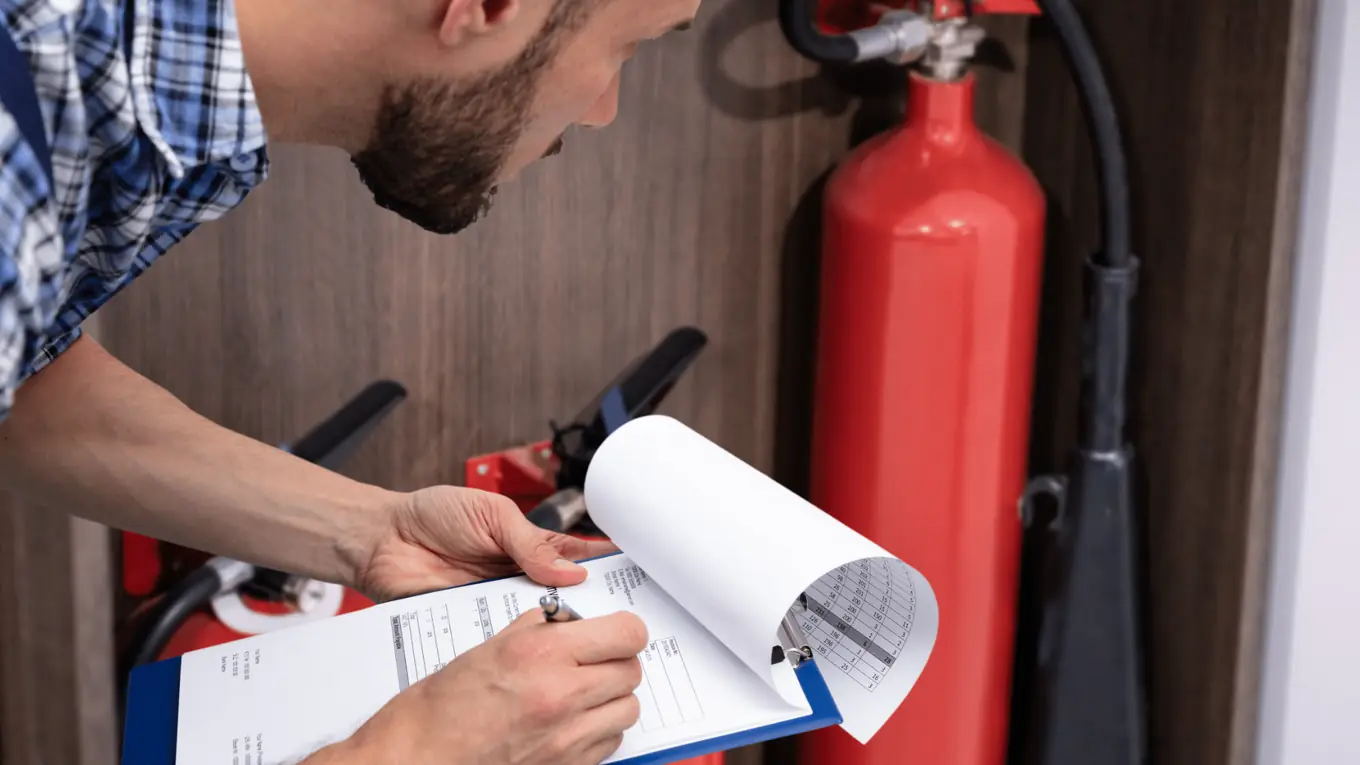
A quick example of how the trade-offs play out
Consider two common scenarios.
The first is an interior server room in a conditioned office building in Denver. The room is small, enclosed, and surrounded by finished office space. The building already has a compliant alarm system and a water-based sprinkler system in place. In that case, the main issues are often coordination, sequence, and authority approval. The owner’s focus may be on sensitive equipment, but the project team still has to account for existing building protection, local amendments, acceptance testing, and ongoing maintenance.
The second is a communications room in a colder section of a larger industrial building in Colorado, with nearby unconditioned spaces. Here, the room itself may be heated, but the path of piping, riser arrangement, or surrounding infrastructure brings freeze concerns into play. That is where discussions around dry pipe sprinkler system Colorado applications or broader sprinkler freeze protection Colorado strategies become unavoidable, even if the owner originally thought the project was only about one clean suppression decision.
In both cases, the answer is not simply “use this system.” The answer is to understand the room in context.
Where false alarms and poor documentation cause the most pain
The most frustrating projects are often not under-designed. They are under-documented. Device names do not match floor plans. Monitoring descriptions are vague. Testing records are incomplete. Nobody on site knows the expected sequence after a detector activation or supervisory event.
That sloppiness catches up fast, especially where Denver code amendments are concerned. Repeated unintentional activations are not just embarrassing. They can lead to demands for correction, repair, or replacement, along with response cost consequences in some situations. If your operation cannot tolerate disruption, you should care about stability as much as sensitivity.
A clean agent fire suppression Colorado project should never be treated like an isolated purchase order. It needs a written understanding of how the room interacts with the rest of the fire protection and alarm system, how testing will be conducted, who receives signals, and what records will be maintained afterward.
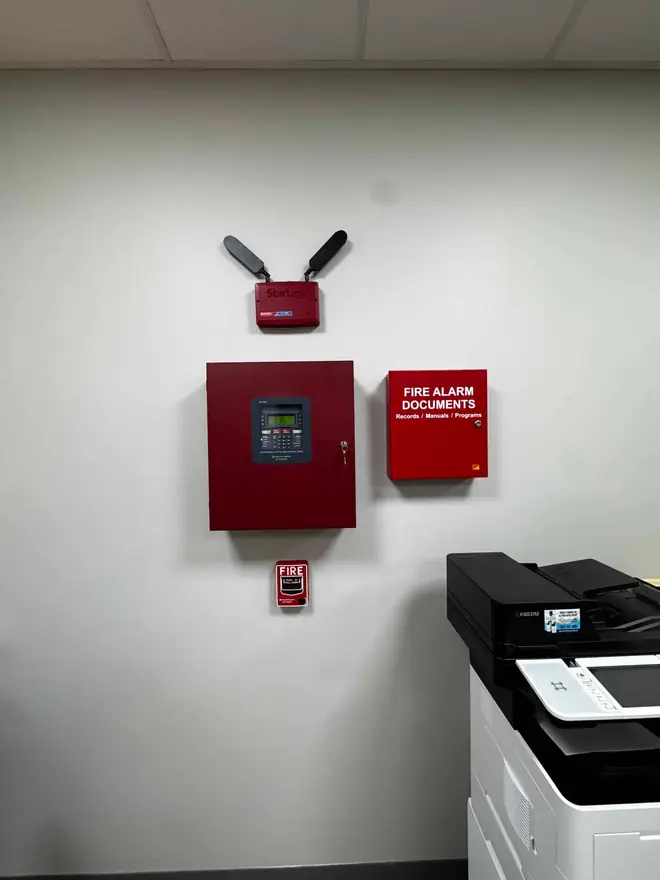
I would add one more local point. If you operate across multiple municipalities, do not assume a fire safety inspection Lakewood CO process will look exactly like review in Denver or another nearby jurisdiction. The underlying code family may be familiar, but local procedures and amendments can still change expectations.
What a sensible owner should ask for from the start
You do not need to become a fire protection engineer to manage these projects well. You do need to insist on a few basics.
Ask for a clear description of how the room will be protected, how the alarm side will interact with it, what monitoring arrangement applies, and what acceptance testing will be required. Ask what recurring inspections and testing will be needed under NFPA 25 and NFPA 72. Ask whether local amendments affect the proposal. Ask what could create fire alarm false alarms Denver enforcement would not view kindly. And ask who is responsible for keeping records after turnover.
That last one is where many owners get burned, figuratively speaking. The installing contractor hands over paperwork, the building engineer files it somewhere, staff turns over, and two years later nobody can explain what was tested, what deficiencies were noted, or what service interval applies. Then a problem appears during inspection or after an unwanted alarm, and the building team has to rebuild the history from scratch.
A well-run project leaves a paper trail that an ordinary facility manager can understand.
The plain-language takeaway
Protecting server rooms and sensitive spaces in Colorado is not about chasing the most sophisticated sounding system. It is about matching the room’s needs to the building’s larger fire protection strategy, local code requirements, climate realities, and long-term maintenance burden.
Clean agent fire suppression Colorado projects can make sense in the right setting, but they should be evaluated alongside water-based protection, alarm integration, monitoring, inspection obligations, and local approval requirements. If the building already involves a pre action sprinkler system Denver service team maintains, a dry pipe sprinkler system Colorado winters made necessary, or complex fire alarm detectors and panels Denver facilities rely on, those existing conditions are part of the decision.
Get the authority having jurisdiction involved early. Treat NFPA 25 inspection Colorado and NFPA 72 fire alarm testing Denver requirements as ownership issues, not just contractor issues. Pay attention to fire sprinkler inspection frequency Colorado scheduling. Do not underestimate the operational cost of fire alarm false alarms Denver code takes seriously. And if your portfolio includes special hazards like commercial kitchen fire suppression Denver systems at one site and sensitive electronics at another, resist the urge to manage them all with one generic compliance template.
Good fire protection is rarely flashy. It is coordinated, documented, tested, and understood by the people who have to live with it. That is what keeps a server room from becoming the weak link in an otherwise well-run building.