Do All Sprinklers Go Off at Once? Common Questions From Denver Building Owners
If you own or manage a building in Denver, you have probably heard the classic line after any fire alarm incident: “If one sprinkler goes off, do they all go off?” It is one of the most common questions in fire protection, and it usually comes with a worried look. People picture every sprinkler head in the building dumping water at the same time, soaking offices, inventory, tenant finishes, computer rooms, and anything else in its path.
That is not how standard sprinkler systems are intended to work.
In most cases, individual sprinklers operate when heat at that specific sprinkler gets high enough to activate it. The system is designed to respond where the fire is, not everywhere at once. That distinction matters, because a lot of bad decisions get made when owners start from the wrong assumption. I have seen hesitation around tenant improvements, deferred maintenance, and resistance to testing, all because someone believed the entire building would flood if anything went wrong.
For Denver building owners, the question opens the door to several other important ones. What kind of sprinkler system do you actually have? Does cold weather change the answer? What causes nuisance alarms? How often do these systems need to be inspected? And how do fire alarms, monitoring, and suppression systems fit together in one real building?
Those are the questions worth clearing up.
Why most sprinklers do not all activate together
A standard automatic sprinkler is heat-activated. That means the sprinkler closest to the fire usually operates first, because it experiences enough heat to open. Other sprinklers nearby may also activate if the fire grows and spreads enough heat through the space, but the entire building does not normally discharge at once.
That is the point of the design. Sprinklers are meant to control or suppress a fire in its early stages by putting water where it is needed. Fire protection standards and related guidance describe sprinkler systems as discharging when heat opens sprinklers, not because smoke drifts through a room or because a single alarm detector chirps.
This is where confusion starts. People often mix up the sprinkler system with the fire alarm system. A smoke detector can trigger an alarm signal. A manual pull station can trigger an alarm signal. A supervisory device can report a valve issue. None of those things, by themselves, mean every sprinkler suddenly starts flowing water. Fire alarm detectors and panels Denver properties rely on are part of a larger life safety network, but they do not turn a standard wet sprinkler system into a building-wide deluge event.
There are specialty systems where a broader discharge pattern is possible, but those are specific system types used for specific hazards. They are not the default assumption for a typical office, multifamily, retail, or light commercial space.
The system type changes the conversation
When an owner asks whether all sprinklers go off at once, my first follow-up question is simple: what kind of system is in the building?
That matters more in Colorado than in milder climates, because freezing risk often drives system selection. A heated downtown office floor may have one setup. A parking garage, loading dock, unconditioned attic cavity, or exterior canopy may have another. A restaurant kitchen has its own suppression concerns. A data or telecom room may use a different approach altogether.

Here is the short version:
- A wet pipe system keeps water in the piping and usually operates only at sprinklers exposed to enough heat.
- A dry pipe sprinkler system Colorado buildings use in cold areas keeps water out of certain pipes until system operation conditions are met, helping address freeze risk.
- A pre action sprinkler system Denver facilities may choose adds another layer of control and is often discussed where accidental water release would be especially damaging.
- Specialty suppression, such as commercial kitchen fire suppression Denver systems or clean agent fire suppression Colorado applications, protects hazards that are not a good fit for ordinary sprinkler protection alone.
Each of those systems solves a different problem, and each brings different inspection, testing, and maintenance needs. Building owners get into trouble when they hear one story about a warehouse, then assume the same thing applies to a high-rise office or a healthcare tenant suite.
Denver weather makes freeze protection a real design and maintenance issue
If you manage property along the Front Range, you already know how quickly temperatures can swing. A space that seems “mostly indoors” can still become a freeze exposure. Vestibules, mechanical chases, parking levels, loading areas, attic pockets, exterior walls with poor insulation, and rooftop enclosures all deserve a hard look.
That is why sprinkler freeze protection Colorado owners talk about is not just a design issue. It is also an operations issue. I have seen problems start with small changes that seemed harmless at the time: a unit heater left off to save money, a dock door left open overnight, insulation removed during another trade’s work, or a remodel that changed airflow patterns around piping.
Once a pipe freezes, the damage can move fast. Even if there is no immediate break, ice can create hidden stress that turns into a leak later. In cold-weather areas, the choice between wet pipe, dry pipe, or another configuration should be made with the actual environment in mind, not just the plan set.
In Denver, code adoption includes local amendments. That means the model code baseline is not the whole story. Project requirements can vary, and local review matters. On anything involving new work, significant modifications, or unusual building conditions, it is wise to confirm expectations with the authority having jurisdiction rather than assume a standard detail from another city will pass here.
Fire alarms and sprinklers are connected, but they do different jobs
A lot of owner confusion disappears once you separate detection from suppression.
Fire alarm detectors and panels Denver buildings depend on are there to sense conditions, initiate notification, supervise the system, and in many occupancies transmit signals to a monitoring location. Denver’s adopted code framework can require certain alarm or emergency communication devices to transmit to a central station, commercial monitoring service, or a continuously staffed monitoring service, depending on the application. That makes fire alarm monitoring Aurora CO and the broader metro area more than a convenience issue. In some cases, it is part of the required life safety arrangement.
Sprinklers, by contrast, are water-based fire protection devices that react to heat at the sprinkler level. They are not waiting for a smoke detector’s permission to operate in a standard arrangement.
The two systems often interact. Waterflow from a sprinkler system can send an alarm signal. Valve tamper conditions can send supervisory signals. Trouble conditions at the panel can indicate impaired protection. But they are still distinct systems with different purposes and different testing standards.
That is one reason owners should not shrug off chronic fire alarm issues. NFPA 72 fire alarm testing Denver service providers perform exists for a reason. A panel that keeps reporting troubles, a detector that causes repeated nuisance activations, or a communication problem with monitoring is not just an annoyance. It is a sign the system needs attention.
What about false alarms?
False alarms create a special kind of wear and tear on a building. Tenants lose confidence. Staff stop taking signals seriously. Managers get numb to repeated service calls. Then the dangerous thing happens: a real event gets treated like just another glitch.
Denver has addressed problematic fire alarm systems and repeated unintentional false alarms in its code amendments, including repair or replacement requirements in some circumstances and reimbursement for some responses. That is the sort of local detail owners miss when they treat fire alarm upkeep like a minor maintenance item.
The causes of fire alarm false alarms Denver properties deal with are not always dramatic. Sometimes it is building fire safety Denver metro dust from construction. Sometimes it is a detector placed in a bad environment. Sometimes it is a device nearing the end of useful life, a wiring issue, panel trouble, or deferred maintenance that finally catches up with the building. The fix is rarely “just silence it and see if it happens again.” Repetition itself is a warning sign.
For owners, the practical takeaway is simple. If your building has recurring false signals, do not let the issue linger because the system seems to “reset fine.” Repeat events can trigger bigger consequences, and more importantly, they can hide real reliability problems in a system people need to trust.
How often do sprinklers need to be inspected?
This is where many owners are surprised. Fire protection is not a once-a-year box check.
NFPA 25 inspection Colorado work follows is the main standard for inspection, testing, and maintenance of water-based fire protection systems. It sets minimum frequencies for many tasks, and those tasks are not all annual. Depending on the component, checks may be monthly, quarterly, semiannual, annual, or on multi-year intervals.
That means there is no honest one-line answer to fire sprinkler inspection frequency Colorado owners ask about. If someone says, “Your sprinklers only need attention once a year,” that is too simple to be reliable. A complete service calendar usually includes several intervals across the year.
The same idea applies to alarm systems. NFPA 72 covers design, inspection, testing, and maintenance for fire alarm and signaling systems. If you have monitored alarm components, emergency communication features, notification appliances, or supervisory devices tied into the building’s life safety package, those need organized testing and documentation too.
A mature property management team usually stops asking, “When is the annual inspection?” and starts asking, “What is the testing calendar for this building, and who owns each step?” That is the better question.
A simple way to think about your service calendar
For most buildings, the easiest way to stay organized is to think in layers instead of one giant annual event.
- Routine visual checks and status awareness during the year
- Scheduled inspections and tests at the required intervals
- Prompt correction of deficiencies, impairments, and recurring trouble signals
- Documentation that supports fire system certification Denver owners may need for compliance, insurance, or occupancy-related purposes
- Extra coordination when tenant improvements, seasonal changes, or hazardous processes affect system performance
That framework is simple, but it works because it mirrors how real buildings behave. Problems do not wait for the anniversary date on your inspection tag.
Kitchens, server rooms, and other special hazards deserve separate attention
Another common misunderstanding is that sprinklers are the whole story everywhere in the building. They are not.
A commercial kitchen has cooking hazards that call for dedicated suppression measures. Commercial kitchen fire suppression Denver systems are their own category of protection and should not be treated as interchangeable with standard ceiling sprinklers. The owner who says, “We have sprinklers, so the hood system is probably enough,” is asking for trouble.
The same goes for spaces where water discharge would be especially damaging or operationally disruptive. Clean agent fire suppression Colorado applications come up when owners need protection for sensitive rooms or contents where another suppression method may be more appropriate for the risk being protected. That does not eliminate the need for coordinated design, alarm interface, testing, and authority review. It simply means the hazard is being addressed with a different tool.
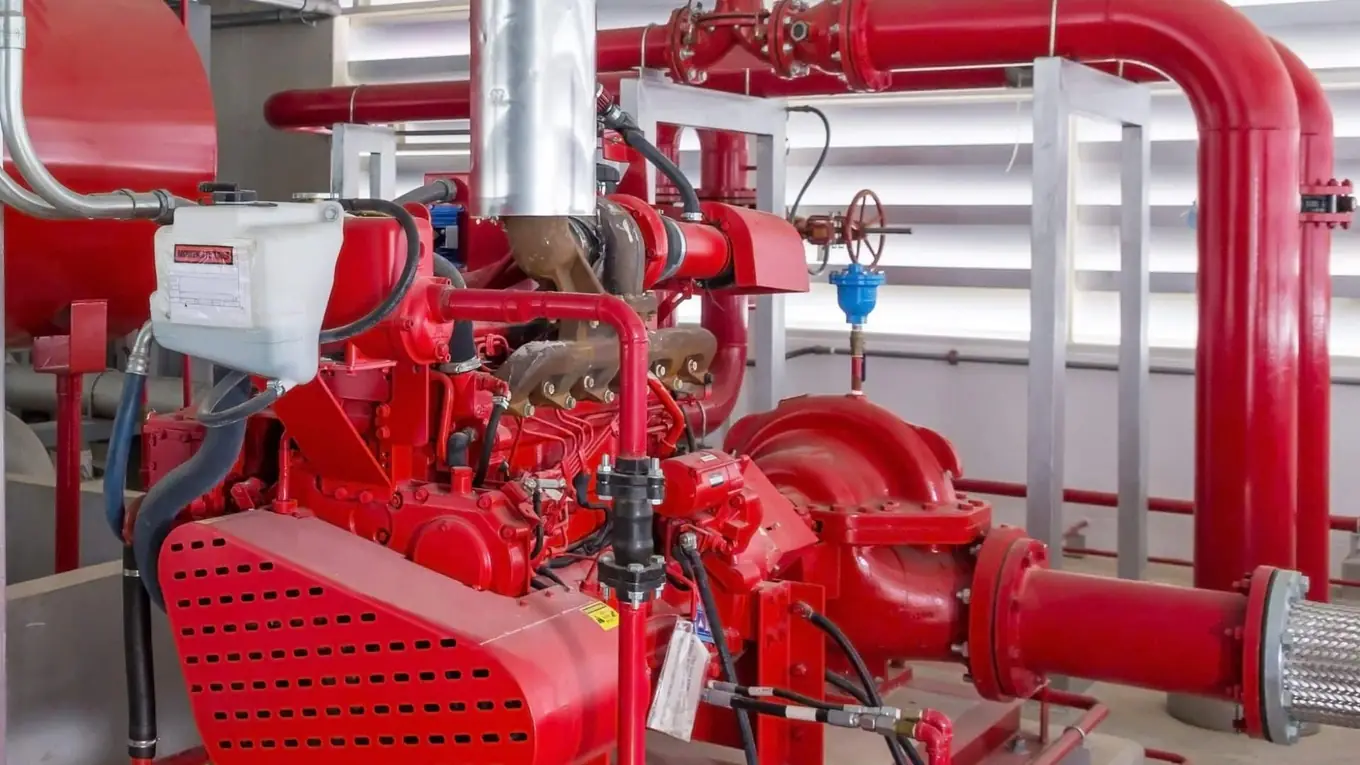
The point is not that every building needs every system. The point is that buildings are mixed environments. One property can contain offices, cold storage, kitchens, electrical rooms, telecom closets, and parking levels. A smart fire protection strategy reflects the actual hazards in each area.
Local review matters more than many owners expect
Denver adopts the ICC code family with local amendments, and that last part matters. The local amendments can change what owners must do, how documentation is handled, how false alarm issues are enforced, and what gets reviewed during permitting or inspection.
Colorado fire authorities may also require permits and inspections for regulated work, including some hazardous materials situations. If your tenant improvement includes a suppression modification, a kitchen change, alarm work, or a process that changes the building’s hazard profile, plan for review and scheduling. Too many projects assume the fire protection scope is minor, then discover late in the process that it affects permit timing, inspections, acceptance steps, or operational approvals.
That is one reason fire safety inspection Lakewood CO or Denver area owners schedule for one jurisdiction may not look exactly like what another city expects in practice. Regional habits are not the same as formal approval. The safest move is to verify local expectations early, especially when the project is unusual.
What owners should ask after any alarm, leak, or impairment
When something happens, whether it is an unwanted alarm, a frozen line, a trouble signal, or a sprinkler activation, the first question should not be, “Can we get the building back to normal fast?” It should be, “What exactly happened, and what does it tell us about the condition of the system?”
A single event can reveal a surprising amount. Maybe a sprinkler activated where heat reached the ceiling because storage changed and blocked airflow. Maybe a false alarm exposed a detector sitting in the wrong environment after a remodel. Maybe a freeze issue points to a control problem with building heat, not a flaw in the sprinkler system itself. Maybe the monitoring path worked exactly as intended, which is good news even though the event was disruptive.
Owners who learn from the first event usually spend less over time than owners who rush to reset and move on. Not because every issue is huge, but because patterns matter. NFPA material has long emphasized that maintenance findings often uncover many out-of-compliance conditions. Real systems drift. Valves get bumped. Devices age. Spaces change use. Documentation gets lost. A building is never as static as the original drawings make it look.
The shortest answer to the original question
So, do all sprinklers go off at once?
Usually, no. In a standard automatic sprinkler system, sprinklers are intended to operate individually based on heat at the sprinkler. If a fire grows, more than one sprinkler may activate, but not the whole building by default. Specialty systems exist, and system type matters, especially in a climate like Colorado’s where a dry pipe sprinkler system Colorado owners use for freeze-prone areas or a pre action sprinkler system Denver facilities choose for sensitive spaces can change how the protection strategy works.
For a building owner, the more useful lesson is this: stop thinking of “the sprinkler system” as a single mystery box above the ceiling. Your building likely has a network of related life safety components, including sprinklers, valves, alarms, monitoring, and possibly kitchen or special hazard suppression. Each one has a role. Each one has required inspection and testing intervals. And each one deserves attention before something goes wrong.
If you remember nothing else, remember these three points. First, most sprinklers do not all discharge at once. Second, Denver-area compliance depends on both adopted codes and local amendments. Third, inspection and testing are ongoing responsibilities, not annual theater.
That is the mindset that keeps a fire protection system from becoming background noise, right up until the day you need it.