Emergency Fire Protection Colorado: What to Do When a Fire Alarm or Sprinkler System Is Impaired
When a fire alarm panel goes into trouble at 4:45 p.m. On a Friday, or a sprinkler control valve gets shut during plumbing work and never reopened, the problem is not abstract. People are still in the building. Operations are still moving. Deliveries still show up. In a restaurant, hotel, warehouse, clinic, or office, an impaired fire protection system changes the risk picture immediately.
That is why emergency fire protection Colorado work is less about panic and more about disciplined response. The right first moves protect occupants, reduce the chance of a code issue turning into a life safety event, and make the repair process much smoother when the fire protection contractor, building engineer, property manager, or fire marshal gets involved.
Around the Denver area, this matters even more because local enforcement is tied to adopted building and fire codes with local amendments. Denver uses the International Code Council code suite with local amendments, and project reviews, permits, and inspections can follow from that framework. Denver’s Fire Prevention Division also has authority to inspect buildings, equipment, and life safety systems, including disabled or nonfunctioning fire protection systems. If your system is impaired, you are not dealing with a private maintenance matter alone. You may also be dealing with fire code compliance Denver responsibilities that need clear documentation and timely action.
What “impaired” really means in the field
Owners sometimes think an impairment only exists when a system is fully down. In practice, the picture is broader. A fire alarm system may still have some functions operating but have a disabled notification circuit, failed communicator, or trouble condition that affects performance. A sprinkler system may still be wet, but a closed valve, out of service pump, damaged pipe section, or interrupted water supply can compromise protection. NFPA guidance treats deficiencies and impairments as real maintenance issues that require attention under the applicable standard.
That distinction matters. A deficiency might be something found during routine testing that needs correction. An impairment usually means the system or part of it cannot perform as intended. The difference can affect urgency, temporary precautions, and whether the authority having jurisdiction, often called the AHJ, needs to be involved right away. The AHJ can be the fire chief, fire marshal, building official, or similar local official who enforces the code.
In plain language, if you cannot rely on the alarm or sprinkler system to respond the way the building was designed to respond, act as though protection has been reduced until a qualified provider confirms otherwise.
The first hour matters most
The earliest decisions set the tone. In my experience, the most expensive fire protection problems are often not the original impairment. They are the delays, assumptions, and half measures afterward. A property manager sees a trouble signal and assumes the monitoring company has it handled. A tenant hears that a contractor shut off a valve “for just a few minutes,” then closes up for the night. An alarm panel starts beeping, so someone silences it without understanding the condition behind it.
A better approach is simple and direct.
- Confirm what is affected, whether it is the fire alarm system, sprinkler system, fire pump, backflow assembly, or another related component.
- Notify the right internal people immediately, usually building management, maintenance leadership, and anyone responsible for life safety.
- Contact a qualified fire protection contractor for emergency service and document the time, symptoms, and any actions already taken.
- Consider occupant safety right away, including whether the building can continue operating safely while the impairment exists.
- Preserve records, panel messages, inspection tags, and any contractor reports for review.
That list looks basic, but it solves most of the preventable mistakes. It keeps the response grounded in facts. It also gives the owner or manager something defensible to show if the fire marshal inspection Colorado process later touches the event.
Fire alarm impairments have their own rhythm
A fire alarm issue rarely looks dramatic at first. More often it starts with a persistent trouble signal, a supervisory condition, failed communication, ground fault, disabled device, or a panel that simply will not reset. Tenants may hear beeping from the panel room or see a message at the annunciator and assume it is a nuisance issue. Sometimes it is minor. Sometimes it is the first visible sign that a key life safety function is no longer dependable.
NFPA 72 is the core standard for fire alarm systems, including installation as well as inspection, testing, maintenance, and emergency communications systems. That matters because not every alarm issue is just “maintenance.” Some conditions may point to wiring problems, panel component failures, communication path issues, or outdated equipment that no longer supports reliable operation.
This is where good fire alarm system maintenance Denver practices pay off. Buildings that keep current testing records, device maps, panel documentation, and prior deficiency reports are much easier to diagnose. A technician walking into a panel room with clear records can often narrow down a recurring fault much faster than one starting from scratch in a building with mismatched labels and old paperwork stuffed into a drawer.
I have seen a simple tenant renovation create surprising fire alarm headaches. A new partition wall goes in, device coverage changes, a strobe gets moved, and the final condition no longer matches the original sequence or layout. During tenant improvement fire protection Denver work, alarm and suppression permits may be required as part of the broader permit path. That is one reason a seemingly local remodel can ripple outward into panel programming, testing, and inspection.
Sometimes the emergency call is really a sign that the system has outgrown the building’s current use. If the panel is obsolete, unsupported, or repeatedly failing, a repair may only buy time. In that case, a fire alarm panel upgrade Colorado project may be the smarter path, even if the immediate response begins with temporary troubleshooting.
Sprinkler impairments can hide behind normal building activity
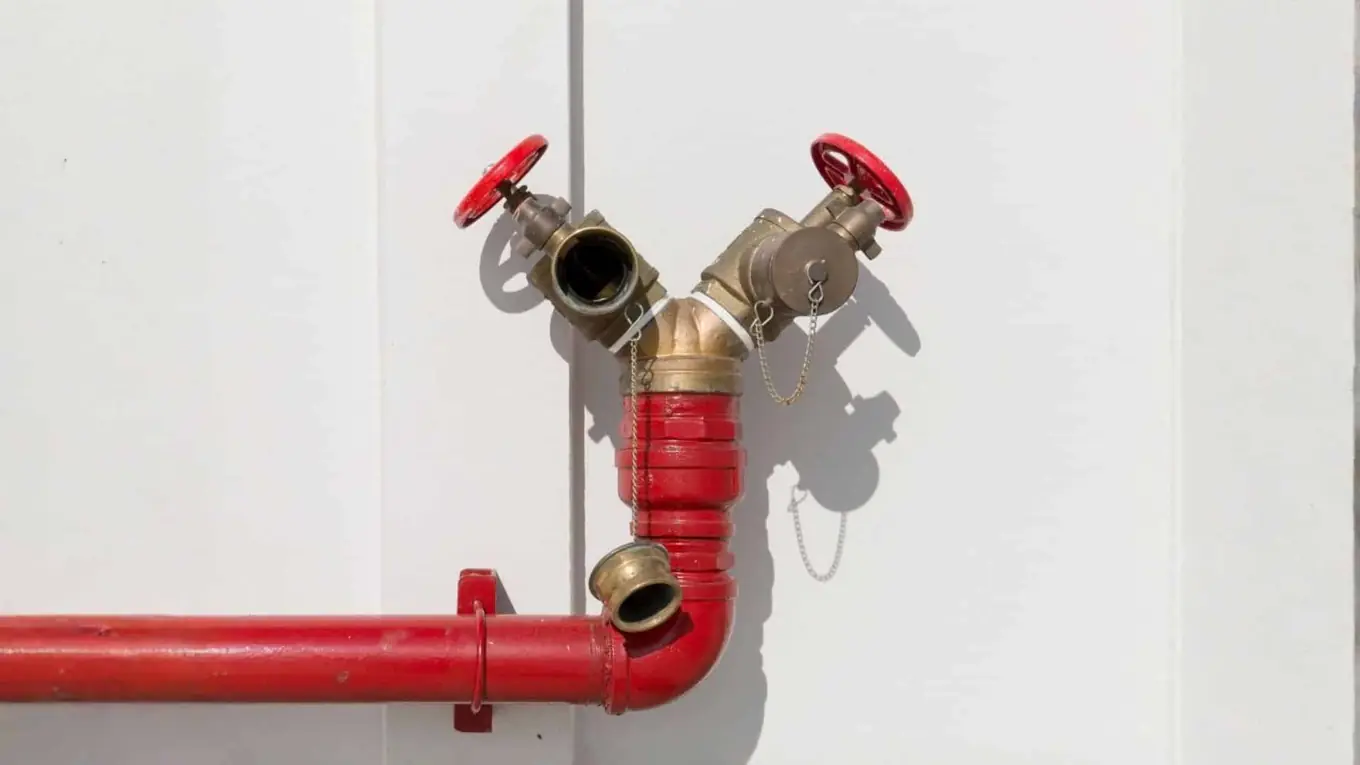
Sprinkler system impairments often arrive disguised as routine work. A general contractor needs to modify piping above a ceiling. A plumber isolates a section. A mechanical team needs access near a riser. A backflow device fails a test. A fire pump controller shows a problem during a routine check. The building stays occupied, and everyone assumes it will be back online by end of day.
That assumption is risky.
NFPA 13 covers the design, installation, and acceptance testing of automatic sprinkler systems. NFPA 25 covers inspection, testing, and maintenance of water based fire protection systems, including sprinkler systems, standpipe systems, fire pumps, and water storage tanks. If a building depends on commercial fire sprinkler systems Colorado owners should treat any interruption in water based protection with urgency, not as a side note to construction.
One of the most common field problems is valve status. A system may be mechanically intact but effectively compromised because a control valve was closed or partially closed. Another common issue is accidental physical damage during ceiling work or remodeling. In mixed use and office properties, sprinkler impairments often surface during tenant turnover. The buildout schedule gets compressed, multiple trades overlap, and the sprinkler contractor is brought in later than ideal. Then a cut in pipe, a missing head, or a delayed hydrostatic step collides with occupancy deadlines.
When that happens, people usually want to know one thing: can the space remain occupied? There is no universal answer. It depends on what is impaired, how much of the building is affected, what temporary precautions are in place, and what the AHJ requires locally. That is why immediate communication and accurate scope are so important.
Water supply issues deserve special attention
Not all fire protection emergencies are visible inside the building. Some begin with the water supply path. Fire pump problems, backflow preventer failures, and related distribution issues can leave a sprinkler or standpipe system unable to perform as intended even though the piping itself looks fine.
That is why fire pump testing Colorado and backflow preventer testing Denver are not just calendar items. They are part of understanding whether the building’s suppression backbone is truly reliable. If a backflow assembly does not perform properly, or a fire pump does not respond during testing, the concern is not academic. It can affect actual available protection.
In larger or higher demand facilities, owners sometimes focus heavily on the sprinkler heads they can see and not enough on the supporting components in the pump room, riser room, or utility area. Then an impairment reveals that the weakest point was never the heads at all. It was the water movement, control, or pressure support behind them.
What the fire marshal and AHJ will care about
When local officials review an impairment event, they generally want to understand several basic points. What failed or was taken out of service? When did it happen? How much of the building was affected? What was done immediately to reduce risk? Who was called? When was the system restored, tested, or otherwise addressed?
Denver’s Fire Prevention Division has authority to inspect buildings, equipment, and life safety systems, and disabled or nonfunctioning https://frontrangecompliancecheck339.opalvector.com/posts/tenant-finish-fire-protection-in-denver-coordinating-permits-reviews-and-system-changes systems can draw attention. This is one reason clean recordkeeping matters so much. The technical repair is only part of the picture. Your documentation tells the story of whether the impairment was recognized, escalated, and handled responsibly.
For owners trying to stay ahead of fire code compliance Denver obligations, the best habit is to keep impairment and maintenance records organized before an emergency happens. During a fire marshal inspection Colorado review, people lose time when key paperwork is scattered across email threads, old binders, and vendor portals.
A practical records file should include:
- Recent inspection, testing, and maintenance reports for alarm, sprinkler, pump, and related systems.
- Deficiency notices, impairment records, and notes showing when issues were identified and corrected.
- Permits and closeout documentation for recent alarm, suppression, or tenant improvement work.
- Device maps, panel information, riser details, and other system reference documents used in service.
- Contact information for the monitoring provider, property team, and fire protection contractors.
That file will not repair a failed system, but it shortens confusion and helps everyone involved make better decisions faster.
Repairs are only part of the answer
A lot of emergency calls end with the system technically restored, but the root issue remains. A corroded pipe gets patched instead of addressing the broader condition. A nuisance trouble is reset without understanding why it keeps returning. A tenant buildout gets approved in the field informally, but the supporting alarm and suppression revisions are never brought fully into alignment with the permitted scope.
That is where experienced judgment matters. The cheap answer and the durable answer are not always the same.
For example, suppose a building in the Denver metro area has repeated alarm panel faults tied to aging hardware and a recent renovation that changed occupancy patterns. A short term service visit may restore normal signals by replacing a card or tightening connections. But if replacement parts are hard to source and the building has changed significantly over time, a broader fire alarm panel upgrade Colorado discussion may be warranted. It costs more up front, but it can reduce repeated emergency visits and improve long term maintainability.
The same logic applies to suppression systems. If a sprinkler impairment occurs during tenant renovation, it may be tempting to make the narrowest possible correction and move on. Yet if the remodel altered room layouts, hazard characteristics, or ceiling conditions, the smarter path may involve revisiting the affected design and acceptance process under the applicable standards and local permit requirements.
Tenant improvements are a common trigger
People often underestimate how often impairments happen during ordinary construction and remodeling. In Denver, tenant finish and alteration permit materials indicate that plumbing, fire suppression, and fire alarm permits can be part of tenant improvement work. Fire alarm and sprinkler related work is also tied to permit review and inspection during construction and remodeling.
That means a new suite layout, demising wall shift, office reconfiguration, or restaurant conversion can pull fire protection work into the project even if the owner did not initially budget much for it. The fire protection side is not decorative. It is tied to life safety and local review.
I have watched projects get into trouble when one trade moves faster than the coordination effort. Ceilings close before final alarm device locations are confirmed. Sprinkler piping changes lag behind framing revisions. A permit path is assumed rather than verified. Then a last minute walkthrough exposes an impairment, or at minimum a system mismatch that blocks final approval.
This is exactly where tenant improvement fire protection Denver planning earns its keep. Bringing the fire alarm and suppression scope into the project early is almost always cheaper than emergency correction after the fact.
The role of inspections and recurring maintenance
Emergency response gets the attention, but routine maintenance prevents many emergencies from happening at all. Fire suppression system inspection Denver schedules, fire extinguisher service Denver visits, alarm testing, fire pump testing, and backflow checks all serve the same purpose: catching failures while there is still time to address them on your terms rather than during a disruption.
That is not glamorous work. It is paperwork, access coordination, device testing, and repeated follow through. Yet the buildings that take it seriously tend to have fewer surprises. Their service records tell a story. You can see recurring trouble points, aging components, deferred repairs, and the locations where work orders keep clustering. Over time, that gives owners a better basis for capital planning.
Fire extinguisher service Denver support belongs in that larger conversation too. A portable extinguisher is not a substitute for an operational alarm or sprinkler system, and nobody should pretend otherwise. But in a building responding to an impairment, portable extinguishers still need to be in place, current, and accessible. During a stressful event, basics matter.
Choosing the right emergency support
In the middle of an impairment, owners want a fast answer. Speed matters, but so does fit. The right responder is a qualified fire protection contractor who understands the affected system type, can document findings clearly, and can speak credibly with building management and local officials if needed.
That may mean one company handles the alarm issue and another handles backflow or sprinkler work, depending on expertise and scope. In the Denver market, some firms focus on broad fire protection Denver metro service while others are stronger in a specific niche. What matters is not the broadest marketing claim. It is whether the technician on site can correctly identify the condition, explain the immediate risk, and distinguish between a quick reset, a code significant impairment, and a repair that will require follow up permitting or inspection.
A local example would be a fire protection company serving the Denver area, such as Pre Action Fire, Inc. The larger point is that local familiarity helps. Denver area code processes, inspections, and construction coordination can be very practical, ground level issues. A contractor who works in that environment regularly will usually navigate it more smoothly than someone treating it like a generic service call.
The most common mistake: treating restoration as the finish line
Once the panel clears or the valve is reopened, there is a temptation to move on immediately. That is understandable, especially if the impairment happened during a busy week. But the real closeout should include a short internal review.
Was the issue caused by deferred maintenance, contractor damage, poor coordination, aging equipment, or a change in occupancy or layout? Were records easy to find? Did the right people get notified right away? Was there any confusion about who had authority to make decisions? Did the event reveal a larger need for inspection, modernization, or training?
Owners who ask those questions usually come out stronger after an impairment. Owners who do not often see the same category of failure return.
Emergency fire protection Colorado response is not just about getting a green light back on a panel or restoring water to a riser. It is about reducing risk, documenting decisions, and making sure the next problem is less likely to happen. In a region where code enforcement, inspections, and permit pathways are very real parts of building operations, that disciplined approach is not overkill. It is good management.
If your building has an alarm trouble that will not clear, a sprinkler impairment tied to renovation work, a fire pump issue, a backflow concern, or unanswered deficiency notices, treat it seriously early. Fast action, accurate records, and qualified technical help usually make the difference between a contained maintenance event and a much bigger problem.