Fire Alarm and Fire Protection Acceptance Testing in Denver: How Final Approval Typically Fits Into a Project
Anyone who has taken a building from plan review to occupancy in Denver knows the last stretch can feel deceptively short. The walls are painted, devices are mounted, water is in the piping, and everyone starts asking the same question: when do we get final approval?
That question sounds simple, but the answer usually sits at the intersection of design, permits, installation quality, scheduling, documentation, and code enforcement. In Denver, final approval for fire alarm and fire protection work is not just a ceremonial milestone. It is the point where the systems intended to protect people and property have to prove they actually function as designed and as approved.
On real projects, that means acceptance testing is less of a single event and more of a coordinated handoff. It is where the plans, the field installation, and the authority having jurisdiction all meet. If one part is out of step, the finish line moves.
For owners, general contractors, property managers, and tenants, it helps to understand how that approval usually fits into the broader project. It is especially important in a market like Denver, where permits, inspections, and fire prevention oversight are firmly structured, and where fire protection work is tied to both local enforcement and nationally recognized standards.
Why acceptance testing matters so much at the end
A lot can go wrong late in a project without anyone realizing it at first. A smoke detector may be installed in the wrong location. A supervisory signal might not report correctly. A sprinkler control valve may be identified on paper but not properly supervised in the field. A monitoring connection may be expected by the owner, but not truly ready for turnover. On a rushed finish, these are exactly the kinds of issues that surface during acceptance.
That is why final approval has real weight. Denver’s process makes clear that acceptance or approval is required before final sign-off of fire alarm and fire protection permits. In practical terms, that means a job is not truly done just because equipment is physically installed.
For teams doing fire protection Denver projects, this is often the moment when every earlier decision becomes visible. Design assumptions, permit timing, installation sequencing, and coordination between trades all show up under test conditions. If the job was managed carefully, acceptance can be straightforward. If not, a two-hour test can expose weeks of missed coordination.
The Denver framework behind the process
Denver does not treat life safety systems casually, and that is a good thing. The city uses the Fire Code Official, Fire Marshal, and Denver Fire Department Fire Prevention Division to enforce fire code requirements and inspect hazards, disabled life safety systems, and false alarms. That tells you something important right away: acceptance testing is part of a broader enforcement system, not an isolated paperwork exercise.
Permits are also a major part of the picture. Denver states that permits are required for most construction, alteration, or repair work on private property. For fire suppression work in Colorado, state law adds another important piece. Installation, modification, alteration, or repair generally cannot begin until required permits are obtained, the job has been registered, and the working plans and hydraulic calculations have been reviewed and approved.
That matters because acceptance testing starts long before the day of the test. If a project gets out ahead of approved plans, or if installation drifts from what was submitted, the final stage becomes harder than it needs to be. Teams sometimes think of testing as the last hurdle. In reality, acceptance is heavily shaped by what happened during plan review and rough coordination.
Denver also notes that its plan review process includes fire protection engineering review. So if a project includes fire sprinkler installation Denver work, fire alarm systems, or related fire suppression systems Denver scopes, the approval path is already being built during document review. Final acceptance is where the city confirms that the approved intent made it into the field.
Final approval is usually the last chapter, not the whole story
On a well-run job, fire alarm and fire protection acceptance testing lands near the end of construction, after the systems are installed, labeled, powered, and ready to demonstrate. That does not mean every other project activity is complete, but it does mean the life safety systems need to be far enough along to operate as intended.
This distinction matters. Sometimes trades assume they can “just test what is there” and finish the rest later. In my experience, that mindset creates avoidable retests. Acceptance testing tends to go better when the systems are treated as complete operating systems, not partial assemblies.
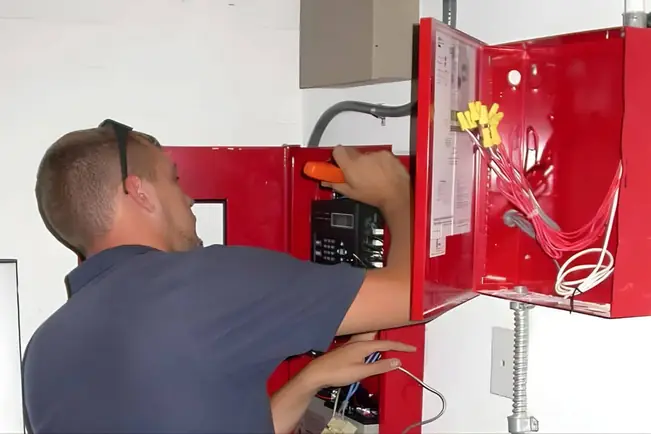
For a fire alarm system, that usually means devices are installed and addressable as designed, notification appliances are functioning, supervisory and trouble signals behave correctly, and any required off-site reporting path is ready if the project includes fire alarm monitoring Denver services. For water-based fire protection, readiness may involve having the piping complete, valves in proper position, related components accessible, and supporting documentation available for review.
The city’s process does not exist in a vacuum here. Denver’s own materials indicate that system acceptance testing and permits may involve coordination with the Fire Department, and that special inspections can occur outside normal business hours when needed. That is a practical point many teams overlook. If your testing plan depends on unusual timing, occupancy constraints, or a building that cannot be disrupted during daytime operations, you need to address that ahead of time rather than assuming accommodation at the last minute.
The code side of the conversation
When acceptance testing is discussed in the field, people often throw around code references loosely. It helps to keep the basic split clear.
NFPA 72 is the national fire alarm and signaling code for fire alarm design, installation, inspection, testing, maintenance, and emergency communications systems. If you are dealing with initiation, notification, supervision, or signal behavior, that is the core national standard Denver teams are usually thinking about.
NFPA 25 serves a different role. It covers the inspection, testing, and maintenance of water-based fire protection systems. That means it becomes especially relevant once sprinkler and similar systems are in service and move into ongoing care. It is not the same thing as original design approval, but it becomes very important after turnover, especially for owners responsible for continued fire safety inspections Denver properties may require over time.
That distinction is useful because many project teams blur installation acceptance with long-term maintenance obligations. The two are related, but they are not identical. A successful acceptance test helps establish that a system is ready for service. Ongoing compliance depends on inspection, testing, maintenance, and recordkeeping after occupancy.
What typically needs to be aligned before the test is worth scheduling
Most failed or delayed acceptance tests are not caused by one dramatic defect. More often, they come from several small coordination misses that pile up. A common pattern is that the installing contractor is ready, but another trade is not. Or the field installation is done, but the final documentation is still being revised. Or the owner expects the system to be monitored immediately, but the communications path is not in place yet.
Before scheduling final acceptance, teams usually benefit from checking a short list of fundamentals:
- permits and approvals are in place for the work being tested
- the installed system matches approved plans closely enough to support acceptance
- key devices, valves, interfaces, and labels are installed and accessible
- supporting records and test documentation are assembled and current
- all parties needed for the test know the date, time, and scope
That may sound obvious, but in practice it is where many projects stumble. A sprinkler contractor may be ready while the alarm contractor is still resolving device issues. A monitoring provider may be waiting on account setup. A final walk may reveal signage or access problems that no one thought would matter until the inspector arrived.
In commercial fire protection Colorado work, especially on tenant improvements or phased buildouts, those handoffs become even more delicate. One suite may be physically complete while the larger base building system still has open items. Whether the project can proceed smoothly depends on how clearly those boundaries were defined during review and coordination.
Fire alarm acceptance usually exposes coordination problems first
If you ask experienced supers what system causes the most end-of-job headaches, many will point to fire alarm. Not because it is always the most complex system on paper, but because it touches so many others. Doors, elevators, duct detectors, supervisory devices, notification appliances, monitoring pathways, and power all have to behave the right way at the right time.
That interconnected nature is why fire alarm acceptance often acts like a project X-ray. A wiring issue might actually be a framing coordination problem from weeks earlier. A device location concern may trace back to a reflected ceiling plan change that never made it through the full chain. A reporting issue may have more to do with turnover timing than equipment quality.
For projects involving fire alarm monitoring Denver arrangements, final approval also tends to sharpen the discussion around who owns the last step. Is the system only being functionally demonstrated, or is live monitoring expected immediately after? That question should be settled before the inspector arrives, not during the test.
Owners sometimes assume monitoring is part of a single bundled event. In reality, acceptance, monitoring activation, and building turnover can be closely related without being identical. Treating them as separate but coordinated tasks usually saves confusion.
Water-based systems have their own approval rhythm
On the sprinkler side, acceptance tends to carry a different cadence. The biggest issues are often tied to whether installation followed approved plans and whether the supporting project conditions are genuinely ready for review.
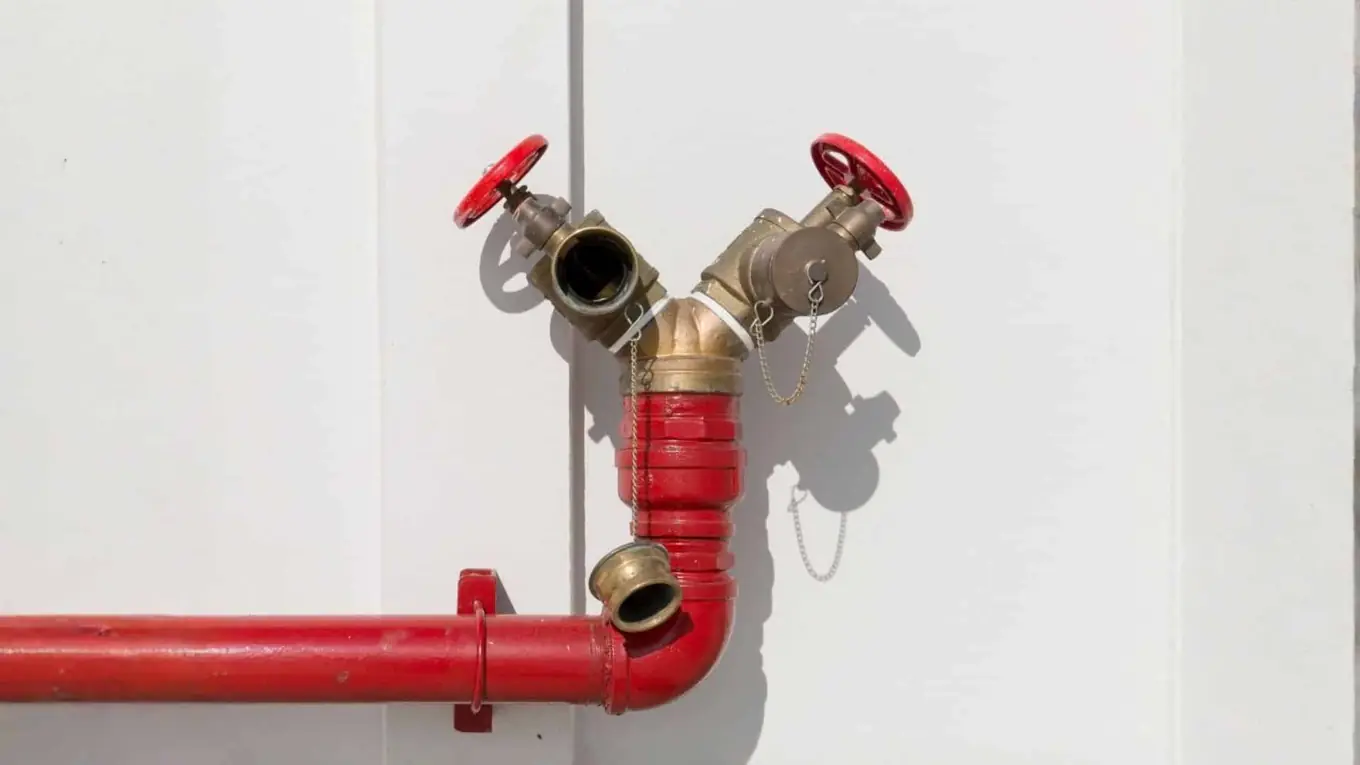
With fire sprinkler installation Denver projects, the field conditions matter. Access to riser rooms, visibility of control assemblies, and readiness of connected building components all influence whether the inspection moves smoothly. The city’s review structure and state permit rules mean the system is expected to reflect approved work, not a rough version that will be cleaned up later.
If the project includes a fire pump, teams should treat that scope with special respect. A fire pump inspection Denver schedule can become one of the most consequential parts of the overall fire protection timeline because downstream approvals may depend on pump readiness and related documentation. The same is true for water supply protections such as a backflow inspection Denver requirement where that scope is part of the project setup.
A missed backflow issue or pump readiness problem may not seem dramatic on a daily construction report, but near final it can halt momentum quickly. Owners feel that delay immediately because it affects occupancy, insurance conversations, and tenant expectations.
The paperwork side is not glamorous, but it is where many finals are won or lost
Nobody gets into construction for the joy of record assembly, but fire protection acceptance has always depended on documentation as much as hardware. Test results, approved plans, hydraulic calculations where applicable, permit status, and related records need to line up cleanly enough for the approving authority to understand what was built and how it was verified.
This is especially true when a project has had changes. Field conditions shift check this out all the time. Ceiling plans change. Devices move. Tenant scopes expand. Value engineering trims one feature and adds another. None of that is unusual. The trouble starts when the installed system reflects those changes but the paper trail does not.
That gap matters because final approval is not just about whether a horn sounds or a valve exists. It is about whether the system in service is the system that was approved. On projects pursuing fire system certification Colorado owners need for occupancy and risk management, documentation discipline tends to separate smooth closes from frustrating ones.
I have seen teams spend days chasing a problem that was not really a field defect at all. The equipment worked. The issue was that revisions had not been reconciled, so nobody wanted to sign off on what they were seeing. That kind of delay is avoidable, but only if someone owns the record set before the inspection is on the calendar.
What owners should expect after approval
A successful acceptance test feels like the end, but from the owner’s side it is really the start of a new responsibility cycle. Denver indicates that commercial and institutional properties are inspected annually, typically about every 12 months. Those fire safety inspections Denver property operators encounter can include review of exits, emergency lighting, fire-resistive separations, fire lanes, and test records for fire safety systems.
That last part matters. Approval at turnover does not replace the need for ongoing records. If annual inspection staff asks for system test records and the owner cannot produce them, the fact that the building passed acceptance months earlier will not solve the immediate problem.
This is where many owners discover the practical difference between installation approval and life-cycle management. Fire extinguisher inspections Denver businesses need, periodic review of water-based systems, maintenance of alarm functions, and any applicable fire pump inspection Denver obligations all continue after the ribbon cutting. So do emergency planning decisions and response readiness. If a system is disabled later, that can draw enforcement attention too, because Denver’s Fire Prevention Division inspects disabled life safety systems and related hazards.
The handoff from contractor to owner should reflect that reality. An acceptance test is strongest when it also supports a clean operational turnover, with realistic expectations for inspection intervals, record retention, and service follow-up.
Where emergency service expectations can get fuzzy
One phrase that gets used loosely near project closeout is “emergency.” Owners hear it and assume every problem after final will be handled instantly and seamlessly. Contractors hear it and think about after-hours service calls. Inspectors hear it in the context of life safety risks. Those are not always the same thing.
In emergency fire protection Denver situations, urgency is real, but final approval does not guarantee future disruptions will be simple. If a building later has a disabled system, annual inspection concerns, or a trouble condition that affects occupancy, the owner still needs a responsive service plan and a clear understanding of who handles what.
That is another reason acceptance should be treated as a thoughtful transition, not just a box to check. A system that passes today still needs competent stewardship tomorrow.
Common friction points that are easier to solve early
Most closeout problems become “surprises” only because nobody forced the conversation early enough. The recurring pressure points are familiar:
- scheduling the test before all participating parties are actually ready
- assuming field changes do not need to be reconciled with approved documents
- overlooking monitoring, pump, or backflow coordination until the end
- treating owner turnover records as an afterthought
- forgetting that annual compliance continues after final approval
None of those are exotic technical failures. They are coordination failures. The fix is usually less about heroics and more about timing, accountability, and a realistic sequence.
On Denver projects, that sequence matters because the city’s fire prevention and permitting framework is structured enough that improvisation late in the process tends to show. You can work through issues, of course, but it is much easier when the project team has been preparing for acceptance all along rather than trying to manufacture readiness in the final week.
How final approval really fits into the project
If I had to describe final approval in one line, I would say it is the point where the project proves it is ready to protect occupants, not just ready to look finished.
That distinction is worth holding onto. Good paint, clean ceilings, and a tidy punch list do not substitute for a functioning alarm system, a properly approved suppression system, or complete records. Denver’s process reflects that reality. Permits, plan review, acceptance requirements, and ongoing inspection expectations all tie into the same core idea: life safety systems must be installed, approved, and maintained in a way that can stand up to scrutiny.
For contractors, this means the cleanest final approvals usually start with disciplined permitting, close alignment with approved plans, and honest scheduling. For owners, it means understanding that acceptance is both a finish line and a handoff into recurring responsibilities such as NFPA compliance inspections Colorado facilities may need as part of ongoing operations. For property teams overseeing commercial fire protection Colorado portfolios, it also means keeping records organized well beyond project closeout.
When that perspective is shared early, the final stage gets a lot less mysterious. Acceptance testing becomes what it should be: a well-prepared confirmation that the building’s fire alarm and fire protection systems are ready for service, ready for inspection, and ready to do their job when people need them most.
Pre Action Fire, Inc
2921 W 38th Ave, Denver, CO 80211, United States
Phone: (303) 682-0113
Website: https://preactionfire.com