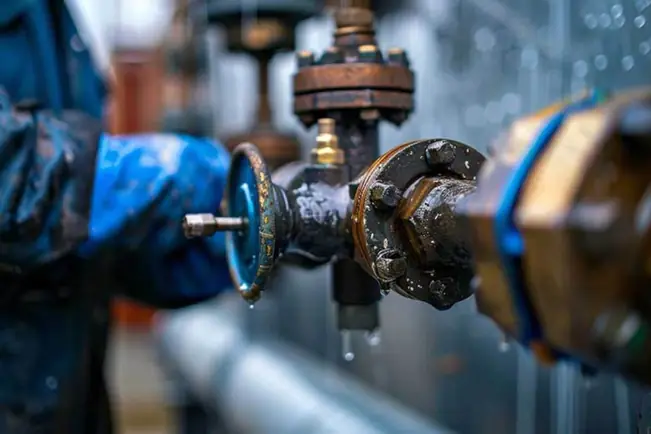
Fire Alarm Panel Upgrade Colorado: Signs an Older System May Need Review During Building Changes
Building changes have a way of exposing weaknesses that sat quietly for years. A fire alarm panel that seemed fine in a steady, unchanged building can start showing its age the moment walls move, suites combine, tenant layouts shift, or a remodel triggers permit review. In Colorado, and especially along the Front Range, that question tends to come up during tenant improvements, office reconfigurations, retail remodels, light industrial updates, and common area renovations. The issue is not always that the panel has failed. More often, the building has changed around it.
That difference matters.
A lot of owners and facility teams hear the phrase fire alarm panel upgrade Colorado and assume it means a full replacement is already required. Sometimes it does. Sometimes the right next step is simply a careful review. An older panel may still be serviceable, but the project scope, the way the space is used, the interface with sprinkler or suppression equipment, or the expectations of the authority having jurisdiction can make a deeper look necessary.
In the Denver area, that review does not happen in a vacuum. Denver uses the International Code Council building and fire code suite with local amendments, and projects can require permits and review tied to that code. Denver materials for tenant finish and alteration work also show that fire alarm, fire suppression, and plumbing permits can be part of the process. If a renovation affects life safety systems, it is wise to assume those systems will come under closer scrutiny.
Why building changes put old panels under the spotlight
A fire alarm system is not an isolated box on a wall. Under NFPA 72, the fire alarm system sits inside a larger framework of installation, inspection, testing, maintenance, and emergency communications. In real buildings, that means the panel often interacts with initiating devices, notification appliances, sprinkler monitoring components, and sometimes other life safety functions that have to make sense together.
When a building changes, those relationships change too.
Picture a straightforward office suite that becomes a medical office, or a long single tenant floor split into smaller suites. Even if the construction looks modest on paper, the system layout may no longer match the new floor plan. Devices can end up in the wrong place relative to walls or new room uses. Existing zones may no longer be intuitive for responding staff. Notification coverage can become harder to interpret. Monitoring points tied to waterflow or tamper conditions may still function, but the panel arrangement may no longer support the building as cleanly as it once did.
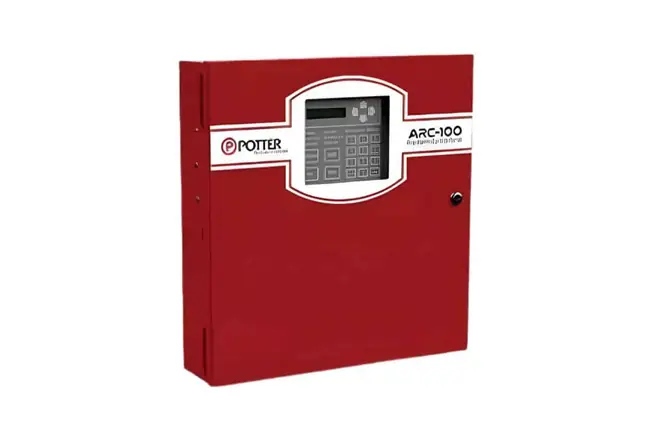
This is where experience matters. A panel does not have to be broken to be a problem. It can be technically operating and still be a weak foundation for the next phase of the building.
The most common sign, the panel struggles to support the project scope
The clearest sign an older panel needs review is simple: the planned building change asks more of the system than the panel comfortably supports.
That can happen in a few different ways. Sometimes the project adds devices. Sometimes a suite demising plan changes how circuits are used. Sometimes there is a need to coordinate more closely with commercial fire sprinkler systems Colorado buildings already rely on. A panel that handled the original installation may become awkward or impractical once the remodel introduces new monitoring points, revised notification layouts, or added supervisory needs.
Owners often focus on square footage and forget the knock-on effect. A small tenant finish can still create a disproportionately large fire alarm issue if the existing system was already near its practical limits. That is why tenant improvement fire protection Denver work should never treat the alarm panel as an afterthought. By the time walls are framed and ceilings are closed, late alarm revisions get expensive fast.
I have seen projects where the original hope was to “just extend what’s there,” only to discover that the old arrangement made testing, labeling, documentation, and future service harder than doing a more orderly upgrade. Even without dramatic defects, complexity itself becomes a cost.
Another sign, the panel has become difficult to maintain with confidence
Aging equipment tends to reveal itself first in maintenance conversations, not emergencies. Facility managers hear it from the technician who performs routine service. The building keeps passing some visits but accumulates more notes, more workarounds, and more caution around future changes. That is when the phrase fire alarm system maintenance Denver starts carrying extra weight.
NFPA 72 is the central standard for inspection, testing, and maintenance of fire alarm systems. In practice, regular maintenance should produce records, findings, and a clear understanding of deficiencies or impairments. If maintenance reports are increasingly hard to close out cleanly, or if documentation around the panel is incomplete, confusing, or inconsistent with the actual building, the system deserves a closer look before construction moves ahead.
An older panel under these conditions can create three practical headaches at once. First, it becomes harder to tell whether the system condition is genuinely sound or simply familiar. Second, every project revision costs more time because the baseline is murky. Third, any permit review or field inspection can turn into a scramble for records.
That last point gets overlooked. In the Denver area, building owners should keep inspection reports, deficiency notices, and certification paperwork ready for review by the fire marshal or other AHJ. NFPA uses the term authority having jurisdiction for the official or agency enforcing the code locally, which could be the fire marshal, fire chief, building official, or similar authority. If the records around an old system are thin, the remodel is often the moment that gap becomes visible.
When sprinkler, suppression, and alarm systems stop feeling coordinated
Many older buildings have a patchwork history. One tenant improvement updated part of the sprinkler monitoring. A later renovation altered a suppression function in a protected room. Another project moved walls but left some original conventions in place. Over time, the alarm panel may still be the hub, but not a very transparent one.
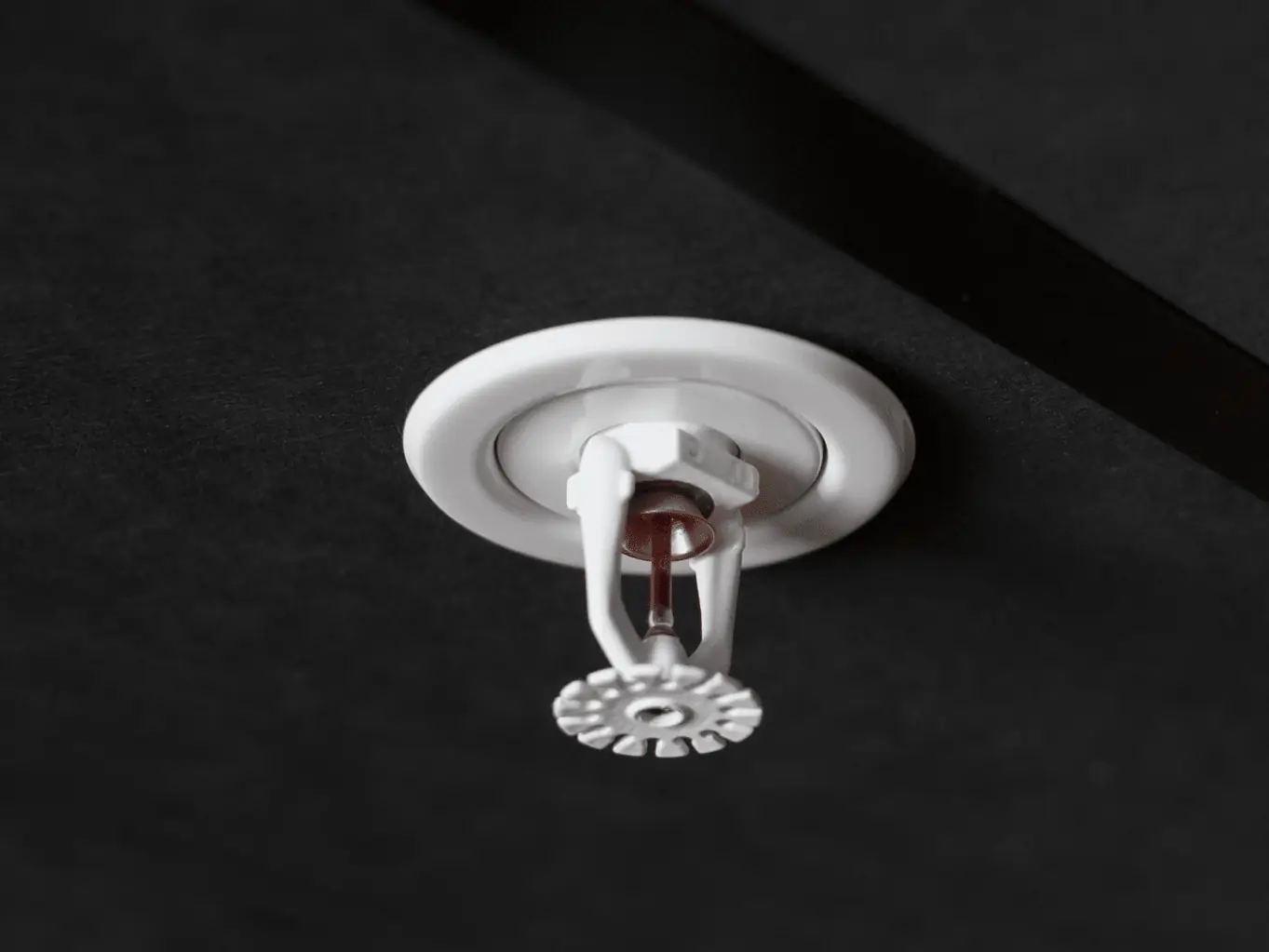
That matters because a fire alarm panel rarely stands alone in a commercial setting. Water-based systems are governed by NFPA 13 for design and installation, while NFPA 25 governs inspection, testing, and maintenance of water-based fire protection systems, including sprinkler systems, standpipes, fire pumps, and water storage tanks. If your project affects alarm monitoring tied to sprinkler or suppression components, those relationships need to be reviewed carefully.
For owners managing broader fire protection Denver metro responsibilities, this is often where one system tells on another. A project team may open a permit for interior alterations and discover related questions about sprinkler monitoring, fire pump signals, or supervisory functions that were not part of the original budget discussion. A panel review becomes less about electronics and more about whether the life safety systems still work as an organized whole.
This shows up often in buildings that require regular fire suppression system inspection Denver service, fire pump testing Colorado programs, or backflow preventer testing Denver coordination. Those services are distinct, but the records and alarm interfaces should still make sense together. If every inspection cycle generates a separate story and nobody can easily connect them, the panel may be part of the problem.
The fire marshal inspection is not the time to discover uncertainty
Owners sometimes ask when they should review an old panel, and the honest answer is before the project reaches the stressful stage. A fire marshal inspection Colorado project should be the confirmation step, not the first real discovery step.
Denver’s Fire Prevention Division is authorized to inspect buildings, equipment, and life safety systems, and can investigate disabled or nonfunctioning fire protection systems. During renovations, that authority matters. If a system is impaired, partially disabled, or simply unclear in its current configuration, the issue may not stay buried. Construction tends to force system condition into the open.
The local code process in Denver is another reason to be proactive. Fire alarm and sprinkler-related work can be tied to permit review and inspection during construction and remodeling. That means the fire alarm panel is not just a maintenance concern anymore. It becomes part of a documented code and permit conversation.
Older panels often struggle most in these moments, not because they cannot do anything, but because they do not fit cleanly into the revised project narrative. The building plans say one thing. The field condition says another. The panel labeling reflects an older tenant. The device map no longer matches the suite layout. None of that automatically proves noncompliance, but it does signal that review is overdue.
Deficiencies, impairments, and the difference between manageable and risky
One of the most useful distinctions in fire protection work is the difference between a deficiency and an impairment. NFPA guidance makes clear that inspection findings, deficiencies, and impairments are part of normal system maintenance and need to be addressed under the applicable standard. That should reassure owners a bit. Discovering an issue does not mean the building team has failed. It means the process is doing its job.
The harder question is whether the old panel makes those issues harder to manage.
A manageable deficiency is usually documented clearly, understood by the right people, and resolved in an orderly way. A risky condition is one that creates confusion, leaves too much open to interpretation, or interferes with dependable operation during building changes. If an older panel contributes to that uncertainty, then review is not optional in any practical sense, even if nobody has yet uttered the word “replacement.”
This matters most when a project temporarily affects system operation. Remodels can create partial outages, phased work, or temporary adjustments that require careful coordination. That is when emergency fire protection Colorado planning stops being abstract. Owners need confidence that any impairment is recognized, communicated, and managed. An old panel with vague records or awkward configuration can make even routine temporary measures feel more hazardous than they should.
The paperwork is telling you something
A surprisingly reliable sign of panel trouble is not on the panel at all. It is in the binder, the digital file, or the stack of inspection reports nobody wants to sort through.
If your team cannot quickly pull the latest reports, identify open deficiencies, match certifications to actual building conditions, and explain the system to a reviewer, the fire alarm should be reviewed before construction gets too far. That is especially true during fire code compliance Denver work where multiple disciplines overlap.
This is not glamorous, but it is real. The buildings that move through projects smoothly are rarely the ones with perfect systems. They are the ones with organized records, realistic scope, and a clear line between system condition and project impact. An older panel can absolutely stay in service if it is well documented, properly maintained, and still suitable for the changed building. It is the uncertainty, not simply the age, that creates cost and delay.
A few practical signs owners should not ignore
There are times when a quick gut check helps. If any of the following are true, it is smart to pause and review the panel before renovation work gets much further:
- the building layout or tenant use is changing enough that device locations, labeling, or monitoring points may no longer match the way the space functions
- recent maintenance records show recurring deficiencies, unresolved notes, or confusion about system documentation
- sprinkler, suppression, or pump-related signals exist, but the relationship between those systems and the fire alarm panel is not easy to explain
- permit review for a tenant finish or alteration is already involving fire alarm or fire suppression scope
- the team expects a fire marshal or AHJ review and does not feel fully prepared to present records and current system status
That list is not a code test. It is a field reality test. If several of those points sound familiar, review usually pays for itself in fewer surprises.
Tenant improvements are where old assumptions fall apart
Some of the most revealing projects are not major capital overhauls. They are modest tenant improvements.
Denver permit materials indicate that tenant finish and alteration work can involve fire alarm and fire suppression permits. That reflects what happens on the ground. A seemingly simple suite turnover can affect notification, initiating devices, sprinkler monitoring, or room use in ways that require real design thought. The old panel may not be the direct cause, but it becomes the limiting factor.
Retail is a common example. A storefront build-out might alter stockroom walls, sales floor dimensions, or back-of-house spaces. Office remodels can introduce conference rooms, new demising walls, or revised occupant circulation. Industrial and mixed-use spaces can shift support areas, storage, or service rooms. In each case, the old “leave it as is” approach grows less defensible.
This is where tenant improvement fire protection Denver planning should bring the alarm conversation forward, not bury it in late coordination. If the alarm review happens early, the owner gets options. If it happens after construction documents are locked or field conditions are underway, the choices shrink and the cost usually rises.
The alarm panel should fit the building you have now, not the one you had fifteen years ago
That is the simplest way to think about it.
A fire alarm panel is part of a living building system. Buildings age, tenants change, uses evolve, and life safety infrastructure has to keep up. A panel that was a sensible fit for an older configuration may not be the right fit for the building as it exists today. The trigger for review is often not failure. It is mismatch.
And mismatch shows itself in ordinary ways. Service visits take longer. Reports are harder to interpret. Coordination with commercial fire sprinkler systems Colorado contractors gets muddy. The owner is unsure what the AHJ will ask for. A project manager starts hearing “we need to verify that in the field” too many times. None of those signs alone proves replacement is required, but together they form a pattern.
In my experience, the owners who handle this best are the ones who resist two common mistakes. The first is assuming age alone decides everything. The second is assuming age means nothing if the panel still powers up. Both shortcuts lead to poor decisions. Review should be based on building changes, current documentation, maintenance history, system coordination, and project scope.
How a thoughtful review usually unfolds
A good review is less dramatic than people expect. It starts with records, current building use, and the renovation plans. From there, the team compares what the system is supposed to do against what the building now demands. If water-based protection is involved, related records under NFPA 25 matter. If sprinkler design or revisions are in play, NFPA 13 considerations come into the broader conversation. The alarm side sits under NFPA 72. The local enforcement side belongs to the AHJ.
For owners, the practical goal is not to memorize standards. It is to assemble the right picture before the project reaches the permit counter or inspection stage.
A sensible review often focuses on a handful of questions:
- does the existing panel still suit the altered building layout and use
- are inspection, testing, and maintenance records organized enough to support review
- do sprinkler, pump, suppression, or supervisory interfaces still line up clearly with the panel
- will the renovation trigger permit, submittal, or field coordination issues that the old system makes harder
- can the team explain the current system condition confidently to the AHJ if asked
If those answers come back clean, great. If they come back mixed, that is useful too. It lets the owner address the right problem instead of guessing.
The rest of the fire protection picture still matters
It is easy to talk about panels as if they carry the whole burden, but they are only one piece of a broader protection strategy. Buildings still depend on routine fire extinguisher service Denver, sprinkler inspections, suppression review, pump testing where applicable, and organized records across the board. A panel review should support that larger picture, not replace it.
That is why experienced providers tend to look at fire alarm concerns alongside the rest of the building’s life safety systems. In the Denver area, companies such as Pre Action Fire, Inc work within that larger fire protection environment. Whether the immediate issue is a remodel, a service concern, or preparation for inspection, the better approach is usually coordinated and practical rather than reactive.
For owners, property managers, and facility teams, the key takeaway is https://frontrangefirecode799.focalledger.com/posts/what-to-expect-during-commercial-fire-protection-projects-in-colorado-from-submittal-to-sign-off straightforward. If your building is changing, the fire alarm panel deserves a fresh look, especially if it is older, lightly documented, or tied to a history of piecemeal modifications. The review may confirm that the existing system can continue with targeted updates. It may point toward a broader fire alarm panel upgrade Colorado scope. Either result is better than finding out mid-project that the system no longer fits the building.
And that is really the point. Building changes are not just construction events. They are decision points for life safety. When an older panel starts raising questions during those changes, pay attention early. It is usually trying to tell you something important.