Fire Pump Inspection Denver: Common Testing Expectations and How Often They Are Typically Needed
If you manage a commercial building in Denver, a fire pump is one of those systems you hope never gets called into action, but you cannot afford to ignore. When water pressure from the public supply is not enough to support the fire sprinkler system, the pump becomes the muscle behind the whole setup. When it is neglected, the problem usually stays hidden until a test, a city inspection, or a real emergency exposes it.
That is why fire pump inspection Denver questions tend to come up at practical moments, not theoretical ones. A property changes hands. A tenant improvement triggers permit review. A failed device elsewhere in the system leads someone to look closer. Or the Denver Fire Department’s inspection cycle comes around, and the inspector asks for records.
In Denver, the city has a clear enforcement structure. The Fire Code Official, the Fire Marshal, and the Denver Fire Department Fire Prevention Division are part of the authority that enforces code requirements and inspects hazards, disabled life safety systems, and related issues. For owners and facility teams, that means fire pumps do not live in a vacuum. They sit inside a larger life safety framework that includes alarms, sprinklers, permits, acceptance testing, documentation, and ongoing NFPA compliance inspections Colorado businesses are expected to keep up with.
The most useful way to think about fire pump testing in Denver is this: there is the city’s annual inspection rhythm for many commercial and institutional buildings, and then there is the separate obligation to keep the actual water-based fire protection system inspected, tested, and maintained in accordance with the applicable standard. Those are related, but they are not the same thing.
The Denver expectation most owners notice first
For many building owners, the first visible deadline is not the pump test itself. It is the broader fire safety inspections Denver properties typically face on an annual basis. Denver’s materials describe commercial and institutional properties as being inspected about every 12 months. During those inspections, the city may review exits, emergency lighting, fire-resistive separations, fire lanes, and test records for fire safety systems.
That last part matters. Inspectors are not only looking at what is installed. They are often looking at whether the system has been cared for, whether records exist, and whether testing can be demonstrated. A pump room can look tidy and still raise concerns if the paperwork trail is weak or if another part of the system shows a pattern of neglect.
This is where owners sometimes get tripped up. They assume that if the city visits once a year, then everything tied to the fire pump must only need annual attention. That is too simple. The city’s annual inspection is a review and enforcement point. The actual inspection, testing, and maintenance of water-based systems falls under NFPA 25, which is the standard for those systems. So when people ask, “How often is a fire pump inspection typically needed?” the honest answer is that there is usually an annual city inspection context in Denver, but the pump and related water-based fire protection equipment are part of an ongoing testing and maintenance program under NFPA 25.
That distinction saves a lot of headaches.
Where the fire pump fits in the larger fire protection picture
A fire pump does not stand alone. It supports a water-based fire protection system, often one connected to fire sprinkler installation Denver projects in larger commercial spaces. In a real building, that pump may sit alongside backflow devices, alarm interfaces, control valves, supervisory signals, and monitoring connections that tie into fire alarm monitoring Denver service.
Because of that, one inspection issue can reveal another. A missing test record may prompt questions about recent work. A recent modification to the sprinkler system may raise permit and plan review issues. A change in occupancy may lead an inspector to ask whether the fire protection design still matches the actual hazard.
Denver’s process reflects that reality. The city’s plan review pathway includes fire protection engineering review, and acceptance or approval is required before final sign-off of fire alarm and fire protection permits. If a system is newly installed, modified, altered, or repaired, that is not just a field issue. In Colorado, fire suppression system installation, modification, alteration, or repair generally cannot start until required permits are obtained, the job has been registered, and the plans and hydraulic calculations have been reviewed and approved.
So if a property owner is asking about fire pump testing because the system is brand new, recently altered, or in the middle of a project, the conversation is not only about maintenance frequency. It also includes permits, acceptance testing, and approval.
“Inspection” and “testing” sound similar, but they are not the same
One reason this subject feels confusing is that people use the words inspection and testing interchangeably. In the field, they are related, but they are not identical.
An inspection often means looking for condition issues, verifying that equipment is accessible, confirming components are present, and checking whether records are current. Testing goes further. Testing is about proving operation. For a fire pump system, that means demonstrating that the equipment and related system functions perform as expected under the applicable testing process.
Denver’s own materials reinforce the importance of test records during annual inspections. The city is not simply asking whether a fire pump exists. It wants to see that the broader life safety infrastructure has been maintained and documented.
That practical difference matters to building managers. A pump room can pass the “looks clean” test while still failing the “show me your records” test. I have seen more than one property team feel confident walking into an inspection because the equipment space was organized, only to realize they could not quickly produce the documentation that proves ongoing care.
When records are incomplete, the conversation gets longer, and rarely in a good way.
How often are fire pump inspections typically needed in Denver?
The most defensible answer, based on the verified framework, is this: Denver commonly inspects commercial and institutional properties on an annual cycle, roughly every 12 months, and those inspections may include a review of fire system testing records. Separately, the fire pump and associated water-based fire protection equipment are subject to the inspection, testing, and maintenance requirements of NFPA 25.
That means owners should expect the need for recurring attention, not just a once-a-year glance before the city arrives.
What you should not do is wait for the annual Denver inspection and treat that preactionfire.com date as your maintenance calendar. The city inspection is an enforcement milestone. NFPA 25 governs the ongoing care of water-based fire protection systems, which is where the fire pump lives. The exact testing intervals and scope should be handled by qualified fire protection professionals who are working from the applicable standard, the installed system type, and the local authority’s expectations.
For many owners, that is the cleanest working rule: prepare for annual city review, but maintain the pump as part of a year-round program.
Why Denver properties tend to feel more scrutiny around documentation
Denver’s fire prevention and code enforcement structure places real weight on life safety system reliability. The city’s inspection materials make clear that violations can trigger an order notice for correction. That alone should motivate documentation discipline, but the deeper reason is operational. Inspectors need to know whether systems meant to protect occupants and firefighters will function when needed.
If the fire pump supports a sprinkler system, then documentation may become one of the first indicators of system health. Missing records can suggest deferred maintenance. Deferred maintenance can raise concern about reliability. Reliability is the whole point.
This is especially true in larger commercial fire protection Colorado settings, where multiple systems overlap. A pump can be mechanically fine, but if related alarm supervision, backflow status, or permit closeout is unresolved, the property may still have a problem on paper and in practice.
That is why smart facility teams do not isolate fire pump work from the rest of the building’s life safety calendar. They tie it to fire system certification Colorado needs, annual inspection readiness, and any changes that may require city review.
Acceptance testing matters more than many owners realize
There is a very different conversation when a fire pump is already in service versus when it has been newly installed, altered, or repaired. Denver’s permitting and final sign-off process makes that difference important.
The city notes that acceptance or approval is required before final sign-off of fire alarm and fire protection permits. Denver’s inspection guidance also indicates that system acceptance testing and permits may involve coordination with the Fire Department, and that special inspections can occur outside normal business hours when needed.
That is a practical point, not just a bureaucratic one. If a contractor modifies a system and everyone assumes the job is “basically done,” but final approval has not happened, that can create trouble later. A manager may discover the gap when trying to close out a project, refinance, satisfy an insurer, or respond to a city inspection.
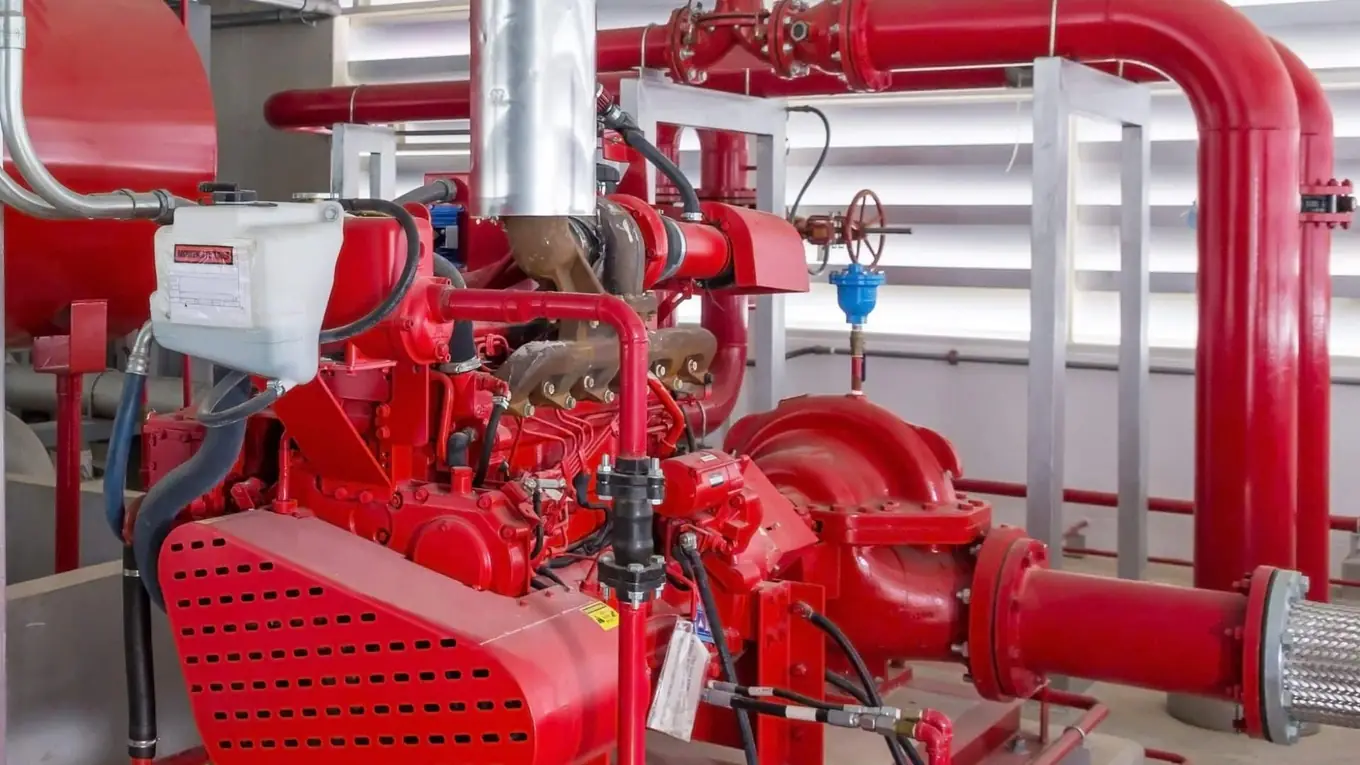
In other words, maintenance testing is one lane. Acceptance testing after work is another. The two should never be blended together in the records as though they are interchangeable.
Permits, modifications, and the moment routine work stops being routine
A surprising number of fire protection problems start when someone assumes a change is minor.
Colorado law says that fire suppression system installation, modification, alteration, or repair generally cannot start until permits are obtained and the work has been properly registered, with plans and hydraulic calculations reviewed and approved. In Denver, permitting is also connected to the code set in force and the project’s submittal timing, especially with the city’s updated 2025 Building and Fire Codes becoming effective December 31, 2025, while some projects may proceed under either the 2025 or 2022 code set depending on submission date.
For owners, the takeaway is simple. If the pump or connected suppression system is being changed, do not treat it like informal maintenance until you know whether a permit pathway applies. A good contractor in fire protection Denver work should help flag that early, but the owner still benefits from asking the question directly.
That is also where coordination with related services comes into play. A pump tied to sprinkler changes may have overlap with backflow inspection Denver requirements, alarm supervision changes, or broader fire suppression systems Denver review. Buildings rarely fail compliance in neat, isolated boxes. Problems tend to show up at the seams between trades and responsibilities.
What inspectors and property teams are really looking for
Most of the time, the practical concerns come down to condition, operability, and records. People often focus only on the equipment. Inspectors usually look wider than that.
Here are the common themes owners should be ready to address:
- clear, current test records for applicable fire protection systems
- evidence that required inspections and maintenance are being performed on an ongoing basis
- confirmation that any installation, alteration, or repair work followed the permit and approval process
- readiness for acceptance testing and final sign-off when project work is involved
- coordination between water-based systems, alarm functions, and other life safety components
That short list captures the big picture without pretending every property is the same. A warehouse, school, healthcare building, and mixed-use commercial property may all face different operational realities, even when they share the same city.
The role of fire alarms, extinguishers, and other systems around the pump
A fire pump may be the headline issue, but Denver inspections are rarely that narrow. The city’s annual inspection materials refer to review of exits, emergency lighting, separations, fire lanes, and fire system records. So a facility team preparing for a pump-related review should think beyond the pump room.
That broader approach is where terms like fire alarm monitoring Denver, fire extinguisher inspections Denver, and emergency fire protection Denver fit naturally. They are separate services, but in real buildings they are part of one compliance ecosystem. If a pump issue affects supervisory conditions, alarms may come into the conversation. If broader records are disorganized, extinguisher reports and sprinkler reports may all get scrutinized together.
NFPA 72 governs fire alarm and signaling systems, including design, installation, inspection, testing, maintenance, and emergency communications. NFPA 25 covers inspection, testing, and maintenance for water-based fire protection systems. You do not need to memorize the standards to manage a property well, but you do need to respect that the pump, sprinklers, and alarms are governed through related, not identical, rules.
That is why experienced managers keep their vendors coordinated. One contractor may service the sprinkler and pump side, another may handle alarm systems, and another may support extinguishers. If those records do not line up, the owner ends up piecing the story together during inspection week, which is the worst possible time to do it.
A realistic way to stay ahead of problems
Most fire pump inspection trouble does not start with dramatic equipment failure. It starts with drift. A report goes to the wrong inbox. A maintenance vendor changes. A tenant project alters the space and nobody revisits the fire protection implications. Then the annual city inspection arrives, and small gaps suddenly look like one large management problem.
The properties that handle this well usually do a few things consistently. They keep permit closeout paperwork with the system records. They make sure acceptance testing has actually been completed when projects wrap up. They do not wait until the Denver inspection notice to ask for missing reports. And they treat fire pump inspection Denver as one part of a larger compliance habit, not a standalone errand.
If you are inheriting a building, especially one with a long maintenance history or multiple remodels, start with the records before you assume the system status. Ask what permits were pulled for any recent fire suppression work. Ask whether final sign-off occurred. Ask where the pump testing documentation is kept. Ask who coordinates between sprinkler, alarm, and monitoring vendors. Those questions are often more revealing than a quick walk through the mechanical room.
When timing gets complicated
There are a few situations where owners should expect more coordination than usual. One is active construction or tenant improvement work. Denver requires permits for most construction, alteration, or repair work on private property, and fire protection engineering review can be part of the process. Another is after-hours or special scheduling needs, since Denver guidance notes that special inspections can occur outside normal business hours when needed.
This matters for occupied buildings that cannot easily shut down or stage tests during the middle of the workday. It also matters for facilities with tight operational windows, such as places where testing affects deliveries, staffing, or public access. None of that changes the need for compliance, but it does change how early you should plan.
Owners sometimes underestimate how long coordination takes once alarms, sprinkler interfaces, and city approvals enter the picture. It is much easier to schedule methodically than to explain later why a project is physically complete but administratively unfinished.
The practical standard for owners
If you want the shortest useful version, it is this. Denver typically inspects commercial and institutional properties about every 12 months, and those inspections can include review of fire system test records. A fire pump, because it is part of a water-based fire protection system, also falls under the ongoing inspection, testing, and maintenance framework of NFPA 25. If the system is installed, modified, altered, or repaired, permits and approval processes matter, and acceptance testing may be required before final sign-off.
That is the baseline. Everything else is execution.
The buildings that stay out of trouble are not always the newest or the most expensive. Usually, they are the ones with disciplined records, good vendor coordination, and a clear understanding that fire protection Denver compliance is not a single annual event. It is a year-round practice shaped by local enforcement, permit requirements, and the standards that govern the system itself.
When that mindset is in place, annual fire safety inspections Denver teams perform tend to go more smoothly, project closeout becomes less stressful, and the fire pump is far more likely to be what it should be: quiet, ready, and dependable.
Pre Action Fire, Inc
2921 W 38th Ave, Denver, CO 80211, United States
Phone: (303) 682-0113
Website: https://preactionfire.com