Fire Watch Basics for Denver Metro Properties During Fire Protection System Outages
A fire protection outage gets real the moment someone says, “The panel is down,” or “We had to shut the sprinkler control valve.” At that point, the issue stops being a maintenance line item and becomes an operational problem. People still occupy the building. Deliveries still come in. Contractors still work. Tenants still expect the property to be safe.
For Denver-area owners, managers, and facility teams, that is where fire watch basics matter. Not as a paperwork exercise, and not as a phrase tossed around after hours, but as a practical response when a life safety system cannot do its full job. If you manage office, retail, industrial, mixed-use, or multifamily property in the region, you have probably already seen how quickly a routine service call can turn into a longer impairment.
The local backdrop matters. Denver uses the International Code Council building and fire code suite with local amendments, and projects often involve permits and reviews tied to that code. Denver’s Fire Prevention Division is also authorized to inspect buildings, equipment, and life safety systems, including disabled or nonfunctioning fire protection systems. In plain language, a system outage is not something to shrug off until next week. It sits squarely in the part of property management where safety, documentation, and code enforcement meet.
When an outage is more than an inconvenience
Some outages are planned. A contractor needs to isolate a zone to perform work. A panel needs service. A section of piping must be repaired. During tenant improvement fire protection Denver work, that kind of interruption can be part of a permit-driven process, especially if fire suppression, plumbing, or fire alarm work is involved.
Other outages are not planned at all. A trouble condition lingers and then becomes a failure. A component quits. An inspection reveals a deficiency that cannot wait. A water-based system may need to be taken out of service to address a problem identified during a fire suppression system inspection Denver property teams scheduled months earlier. A fire alarm issue discovered during fire alarm system maintenance Denver service may force a larger decision than anyone expected that morning.
That distinction matters because planned outages usually give you time to prepare, notify people, and line up the right contractor support. Surprise outages test whether the building team knows who to call, what records to pull, and how to communicate without adding confusion.
The role of the AHJ in Denver
One phrase comes up again and again in real fire protection work: AHJ, short for authority having jurisdiction. NFPA uses that term for the local official who enforces the code, which may be the fire chief, fire marshal, building official, or a similar authority. In the Denver metro area, that local enforcement role is exactly why property teams need to know who their point of contact is before an impairment happens.
A lot of avoidable stress comes from treating a system outage like a private maintenance issue. It rarely stays private. If a building’s protection is impaired, local enforcement may need to be notified or may become involved through an inspection, permit review, or deficiency follow-up. Denver’s Fire Prevention Division has authority to inspect disabled systems, and that means your notes, your service reports, and your response process should all hold up when someone asks to see them.
This is also where broad internet advice tends to fall short. Fire watch expectations, notifications, and restoration steps are tied to the applicable code, the system involved, the occupancy, and the local authority’s direction. A blanket answer is usually the wrong answer. Good operators in fire protection Denver metro work know the safer path is to coordinate early with the AHJ and qualified fire protection professionals.
What people mean by “fire watch”
In day-to-day property language, a fire watch is a temporary measure used during an impairment so the building is not left blind while a life safety system is out of service. The idea is straightforward even when the logistics are not. If an automatic or monitored layer of protection is limited, someone has to compensate by paying close attention, communicating quickly, and helping the property respond if conditions change.
That sounds simple until it is midnight, half the tenants have gone home, a loading dock door is propped open, and a contractor insists the outage will be “just another hour.” Those are the moments when a vague plan falls apart.
A useful fire watch is not passive. It depends on clear responsibility, reliable communication, and a practical understanding of the building. The person covering the watch needs to know the areas affected, the routes through the property, how to report an emergency, and who is coordinating repairs. If the impairment shifts, expands, or lasts longer than expected, the plan has to shift with it.
Why sprinkler and alarm outages are handled differently
Not all impairments create the same risk. A fire alarm issue and a sprinkler issue are both serious, but they affect the building in different ways.
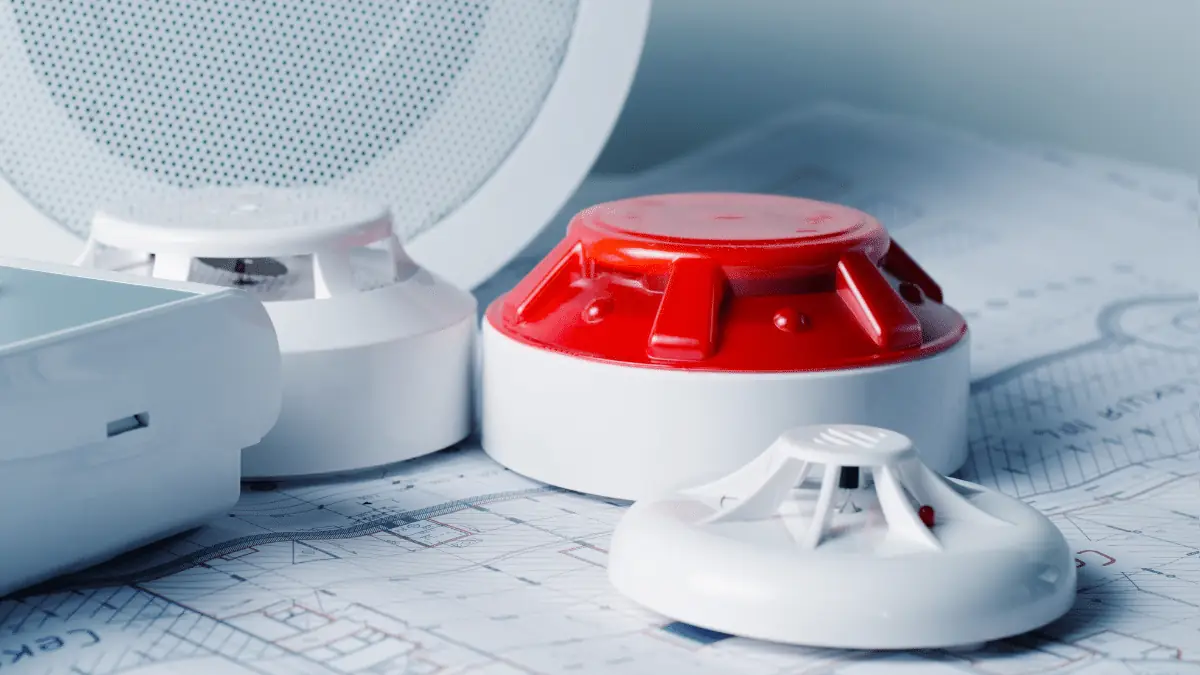
NFPA 72 is the core standard for fire alarm systems, including installation, inspection, testing, maintenance, and emergency communications systems. That matters because a panel trouble, communication failure, or disabled initiating device is not just a nuisance signal. It touches the system that detects and communicates fire conditions.
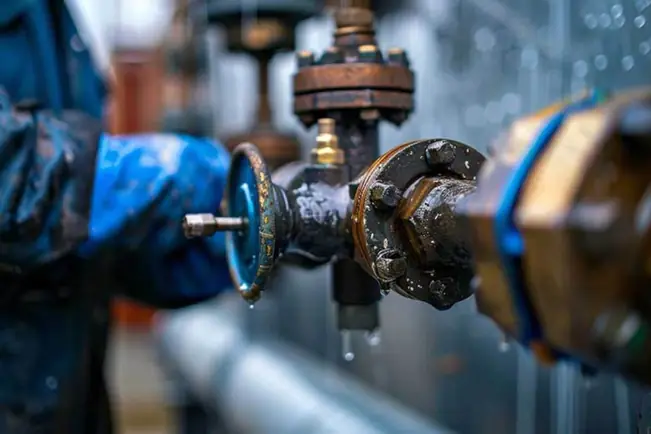
NFPA 13 addresses the design, installation, and acceptance testing of automatic sprinkler systems. NFPA 25 addresses inspection, testing, and maintenance of water-based fire protection systems, including sprinkler systems, standpipe systems, fire pumps, and water storage tanks. So when a sprinkler control valve is closed, when a portion of the piping is isolated, or when a fire pump issue affects system performance, you are dealing with a water-based protection impairment that sits squarely in the NFPA 25 world.
In practice, alarm outages often raise immediate concerns about detection and notification. Sprinkler outages often raise immediate concerns about suppression capability. If both are affected at once, the stakes rise quickly. That is one reason seasoned building teams do not let separate vendors work in silos. The fire alarm company, the sprinkler contractor, the property manager, and the local authority may all need the same situational picture.
The first hour usually tells you how the rest of the outage will go
Most difficult outages do not become difficult because of the hardware alone. They become difficult because nobody establishes control early. The best responses usually start with a short burst of disciplined action.
- Confirm exactly which system is impaired, which parts of the building are affected, and whether the condition is planned or unplanned.
- Contact the qualified contractor or service provider responsible for diagnosis and repair, and document the time of the outage.
- Notify the appropriate building stakeholders and coordinate with the AHJ or fire marshal when local requirements or conditions call for it.
- Put temporary building procedures in place that match the impairment, the occupancy, and the repair timeline.
- Keep a written log of status changes, communications, contractor activity, and restoration steps.
That list looks basic because the basics are where most properties either settle the situation or make it worse. One missed call can matter. One vague shift note can matter. One undocumented control valve closure can matter. If you have ever walked into a morning handoff and found three different stories about what is down and why, you know how quickly an impairment can drift.
Planned work is easier, but only if the planning is real
A scheduled shutdown for service is the moment to be organized, not the moment to get optimistic. If a contractor says the outage should take two hours, build your communication and staffing around the possibility that it may take longer. Parts get delayed. Access to tenant spaces can slip. Old valves do not always reopen cleanly. Panels sometimes reveal more trouble after the original issue is corrected.
This is especially common around aging buildings and renovation work. A fire alarm panel upgrade Colorado owners postpone for years may start as a straightforward replacement and turn into a larger conversation about compatibility, documentation, or legacy field devices. The same goes for work https://denversystemupkeep300.alderbrief.com/posts/maintenance-planning-for-fire-protection-denver-systems-building-an-ongoing-inspection-schedule on commercial fire sprinkler systems Colorado properties have inherited through ownership changes. Drawings may be incomplete. Labels may be outdated. Zones may not match the assumptions everyone made in the pre-job walk.
The practical lesson is simple: during a planned outage, assume the building team will need enough information to carry the impairment past the original estimate. That means knowing who can authorize after-hours work, who can communicate with tenants, and who can provide access if repair work expands.
Surprise failures demand calm, not speed for its own sake
The most stressful outages are the ones that arrive without warning. A trouble signal appears during a storm. A deficiency turns up during annual service. A pump or backflow issue complicates the water supply side of the system. Then everyone wants an instant answer.
But “fast” and “careless” are not the same thing. Fire pump testing Colorado service, backflow preventer testing Denver work, and broader fire suppression system inspection Denver activity all exist for a reason. They uncover issues before the worst possible moment. When something still fails unexpectedly, the smartest move is not to guess. It is to narrow the affected area, document the condition, and bring in the right expertise.
This is also where building-specific judgment matters. A small, lightly occupied building with a limited, clearly defined impairment is one situation. A larger occupied property with multiple tenants, after-hours activity, and active construction is another. The outage itself may sound similar in a service note, but the operational response should not be copy-paste.
Fire watch is as much about communication as observation
People tend to think the value of a fire watch is the physical walk. The walk matters, but the communication side usually determines whether the measure is actually useful.
The person assigned to that role needs direct lines to building management and responding contractors. Occupants need clear instructions that fit the situation and the building, not canned language that confuses more than it helps. Security needs to know what to report. Maintenance needs to know what not to touch. If a contractor closes a valve, changes the affected area, or extends the outage window, that information has to move quickly.
I have seen properties handle this well with nothing fancier than a good log, a reliable radio or phone process, and one accountable coordinator. I have also seen properties create chaos with too many cooks, scattered text threads, and no single record of what actually happened. A fire watch during an impairment is not a place for improvisation by committee.
The records that save time when the fire marshal asks questions
When a disabled or nonfunctioning system draws attention from enforcement, records matter. Not polished binders assembled after the fact, real records kept as the work unfolds. Denver-area owners should be ready to show what was impaired, what action was taken, who was notified, and how restoration was verified. That fits the broader reality of fire code compliance Denver operators deal with every year.
A strong file usually includes a short set of essentials:
- Inspection and testing reports tied to the affected system
- Deficiency notices or impairment documentation
- Service tickets and contractor findings
- Permit or review records when the outage is connected to alteration work
- Logs showing notifications, timeline, and system restoration
This is also where routine discipline pays off. If your fire extinguisher service Denver records live in one place, your sprinkler and alarm reports live somewhere else, and your permit paperwork is buried in email, every outage becomes harder to manage. Good recordkeeping is not glamorous, but it shortens phone calls, supports the property team during a fire marshal inspection Colorado process, and helps avoid conflicting accounts.
How outages tie back to routine maintenance
A surprising number of emergency calls start months earlier with a report that nobody prioritized. NFPA guidance makes an important distinction here: findings, deficiencies, and impairments are part of normal fire protection system maintenance, and they should be addressed under the applicable standard. That means the work is not just about reacting when something finally breaks. It is about staying ahead of the break.
Routine fire alarm system maintenance Denver service can reveal components drifting toward failure. Ongoing care of commercial fire sprinkler systems Colorado buildings rely on can uncover valves, gauges, corrosion issues, or other concerns before they create a larger impairment. Fire pump testing Colorado programs exist because the pump is too important to learn about only during an emergency. Backflow preventer testing Denver schedules matter because the water supply side of protection cannot be treated as an afterthought.
Owners sometimes ask when a deficiency becomes urgent enough to change building operations. The honest answer is that it depends on the deficiency, the system, and the local authority’s expectations. That is why experienced providers do not treat every red tag or trouble note as identical. Judgment matters. Context matters. Documentation matters.
Renovation work changes the picture fast
Tenant build-outs and remodels deserve special attention because they create overlapping risks. The property is occupied. Contractors are active. Permits and inspections are in play. Portions of the fire alarm or suppression system may need adjustment to support the new layout. Denver’s permit materials make clear that plumbing, fire suppression, and fire alarm permits can be part of tenant improvement work, and local review and inspection may follow.
That means tenant improvement fire protection Denver planning should never be limited to plan sheets alone. If the work requires taking a portion of the system out of service, the property team needs a real operational plan. Who is coordinating the shutdown? How will the affected area be identified and secured? What if the contractor finds field conditions that differ from the approved drawing? What if restoration slips beyond normal business hours?
These are not theoretical questions. They are common on active job sites, especially in older buildings where existing conditions never match the original assumption perfectly. The smoother jobs are usually the ones where the contractor, property manager, and fire protection provider speak before the outage begins, not after it goes sideways.
Restoration is not complete when the crew packs up
A lot of teams relax too early. The contractor says the repair is done, the panel looks normal, the water is back on, and everyone moves on. That is a mistake.
Restoration should be treated as a documented handoff back to normal building protection. The system that was impaired needs to be returned to service, verified according to the applicable standard and scope of work, and reflected accurately in the property’s records. If permits or inspections are part of the work, those steps matter too. If the outage revealed a larger issue, such as obsolete equipment that points toward a future fire alarm panel upgrade Colorado project, that should be noted while the details are fresh.
The after-action side matters more than people think. A short internal review can reveal whether the contact list was current, whether the tenant notice made sense, whether access slowed repairs, and whether the building’s emergency fire protection Colorado planning needs adjustment. Every impairment teaches you something. Well-run properties write that lesson down and use it.
A practical mindset for Denver-area properties
If there is one habit worth building, it is this: treat every outage as both a technical issue and a management issue. The technical side belongs to qualified fire protection professionals working under the right standards and local oversight. The management side belongs to the owner, manager, or facility team that has to keep the building operating responsibly while protection is impaired.
For fire protection Denver metro properties, that means staying close to maintenance schedules, keeping records ready, understanding when permit and inspection issues enter the picture, and knowing how to communicate when a system goes down. It also means respecting the local authority’s role. Denver’s Fire Prevention Division has the authority to inspect life safety systems, including those that are disabled or not functioning, and that alone should be enough to push outage planning out of the “we’ll figure it out” category.
The calmest teams are usually the ones that have already decided who makes the calls, where the records live, and how they will handle the next impairment before it arrives. When the outage does happen, that preparation shows. The building stays organized, the contractors can work, occupants get clear direction, and the path back to full protection is a lot cleaner.