How Pre Action Fire, Inc Fits Into the Denver Area Fire Protection Landscape for General Planning
If you manage a commercial building, a tenant improvement, or a specialty occupancy in the Denver area, fire protection planning usually gets complicated faster than people expect. On paper, it can look simple enough. You need a sprinkler contractor, a fire alarm company, inspections, and final sign-off. In practice, every project has its own mix of code triggers, local amendments, weather concerns, equipment limitations, and scheduling pressure. Denver also adopts model codes with local amendments, which means the city’s requirements can differ from the base code language many owners, architects, and national tenants start with.
That is the landscape where a company like Pre Action Fire, Inc fits. Not as a magic answer to every need, and not as the only player in the market, but as part of a local ecosystem of fire protection specialists that owners and project teams may evaluate when they are building a compliance plan. General planning matters here because fire protection is rarely a single trade decision. It touches design, permitting, construction sequencing, occupancy approval, ongoing testing, and the practical reality of keeping a building functional after the ribbon cutting.
The Denver area rewards teams that think about fire protection early. It also punishes teams that wait until the end, especially when they discover a local requirement, a monitoring issue, or a repeated trouble signal that delays occupancy.
Why the Denver area asks for a more local approach
Denver’s framework is not just “follow the national standard and move on.” The city adopts the International Code Council family of codes with local amendments. That one fact changes how planning should be done. A base code summary from a national architect may be a helpful starting point, but it is not the finish line. Project requirements should be confirmed with the local fire marshal or the authority having jurisdiction, often called the AHJ.
That matters for straightforward office build-outs, but it matters even more for buildings with cold loading areas, data rooms, commercial kitchens, storage uses, or spaces that need monitored alarm transmission. A team that has worked only from national prototype plans can miss local review expectations, and those misses tend to show up late, when change is expensive.
For owners, the practical takeaway is simple. The Denver area fire protection landscape is made up of more than products and devices. It includes code adoption, local amendments, AHJ review, permit timing, inspection windows, and ongoing maintenance obligations under standards such as NFPA 25 and NFPA 72. A contractor or service company is operating inside that larger structure, not outside of it.
Where a company like Pre Action Fire, Inc fits
Pre Action Fire, Inc is one Denver-area fire protection company. For general planning, the useful way to think about a company in that position is as a potential participant in a broader compliance chain. Depending on the project, that chain can include the owner, property manager, architect, engineer, general contractor, electrician, kitchen equipment supplier, monitoring provider, and local inspector.
That is especially true when a building needs multiple fire protection components to work together. A sprinkler system may need to interface with fire alarm monitoring. Alarm devices may need testing and verification. A kitchen suppression system may affect hood equipment and shutdown functions. A system impairment or deficiency may trigger repairs before a final approval can happen. None of that is unusual. It is normal jobsite life.
In other words, when people search terms like pre action sprinkler system Denver or fire alarm detectors and panels Denver, they are often not just shopping for hardware. They are trying to understand how a local provider may help them plan, coordinate, test, or maintain a code-driven system in a climate and jurisdiction that has its own demands.
Cold weather changes sprinkler planning in Colorado
Colorado weather has a way of turning fire protection into a building envelope discussion. The pretty rendering may show glass, steel, open parking exposure, rooftop units, and dramatic entry canopies. Then winter arrives and someone remembers there is water in those pipes.
That is why conversations around a dry pipe sprinkler system Colorado project, or general sprinkler freeze protection Colorado planning, are not niche topics. They are common planning issues. The broad principle is easy enough to understand. If a portion of the building is subject to freezing conditions, the choice of sprinkler system and the details of that installation need serious attention. The consequences of getting it wrong are not limited to failed inspections. You can end up with leaks, service interruptions, damage to finishes, or a building area that cannot operate as intended.
A pre action sprinkler system Denver discussion tends to come up in spaces where accidental water discharge is a major concern, or where the use and risk profile make that type of arrangement worth evaluating. A dry pipe sprinkler system Colorado conversation usually centers more directly on freeze exposure, though design decisions depend on the actual building conditions and code path. It is not wise to treat either system type as a generic upgrade or downgrade. Each has trade-offs, and the right fit depends on occupancy, environment, and local review.
This is where early planning helps. In cold climates, owners sometimes focus on the visible symptoms, such as a burst line in an unheated loading dock, when the real problem started much earlier with assumptions about space conditioning, insulation, or the sequence of work between trades. Fire protection planning is stronger when it happens before ceilings close and before the first hard freeze exposes every shortcut.
Fire alarm work is not just about installing devices
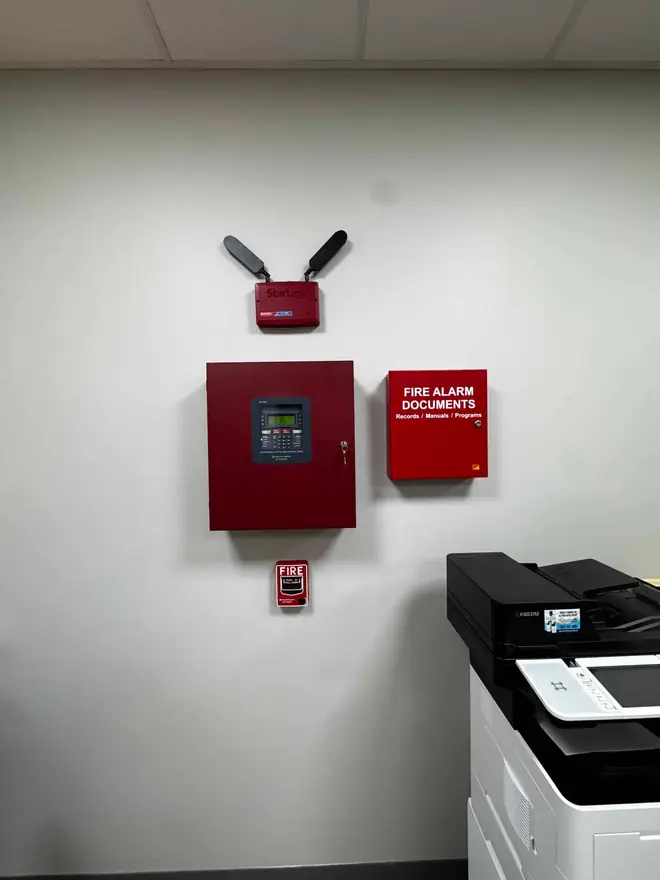
A lot of owners picture fire alarms as horns, strobes, and smoke detectors. That is only part of the picture. NFPA 72 covers fire alarm and signaling system design, inspection, testing, and maintenance, including monitoring and emergency communications functions. That is a broad scope, and it affects how planning should be done in Denver area properties.
When someone looks for fire alarm detectors and panels Denver support, they may need help at several stages of the building lifecycle. During construction, the concern might be device locations, panel coordination, and acceptance testing. In an existing building, the concern could be nuisance conditions, outdated components, recurring troubles, tenant alterations, or monitoring transmission.
Denver’s local code approach also matters here. The city has code provisions dealing with false alarms and problematic systems, including repair or replacement when unintentional false alarms repeat, along with reimbursement for some false alarm responses. That makes fire alarm false alarms Denver planning more than an annoyance issue. Repeated unwanted signals can become an operational and financial problem, and they can erode confidence in the system.
Most property managers have lived through some version of this. A panel goes into trouble at 2:00 a.m. Tenants complain about intermittent beeping. The monitoring station calls repeatedly. Someone silences the symptom but does not fix the underlying issue. Then, a few weeks later, the same problem returns during business hours, often at the worst possible moment. Good planning reduces the chance of that cycle by treating alarm maintenance as a system responsibility, not a one-time service call.
Monitoring can be a code issue, not just a preference
Owners sometimes think monitoring is a feature they can add later. In many cases, it is a requirement tied to the application. Denver code text requires some fire alarm or emergency communication devices to transmit to a central station, commercial monitoring service, or continuously staffed monitoring service, depending on the situation.
That matters when planning fire alarm monitoring Aurora CO arrangements or similar service relationships elsewhere in the metro area. It is not enough to ask, “Can we get alarm monitoring?” The better question is, “What form of monitoring is required for this occupancy and this system?” That answer may affect wiring pathways, account setup, acceptance testing, and the owner’s monthly operating costs.
On projects that cross municipal lines, this becomes even more important. Denver, Aurora, Lakewood, and other jurisdictions can share broad code frameworks but still differ in local process and enforcement detail. A team planning in one city should not assume the exact same submittal, scheduling, or review expectations in another.
Kitchens, specialty hazards, and the spaces that need more coordination
Commercial kitchens are a good example of why fire protection planning should stay grounded in real building operations. A restaurant or institutional kitchen has heat, grease, ventilation, suppression equipment, power interfaces, and demanding opening schedules. That is why commercial kitchen fire suppression Denver planning often involves more coordination than first-time owners expect.
It is not only about installing a suppression system over cooking equipment. The work can affect hood coordination, shutdown functions, trade sequencing, and inspections. If a kitchen is part of a larger tenant improvement, delays in this one slice of the project can hold up the final path to opening even when the dining area looks finished.
The same broader lesson applies to clean agent fire suppression Colorado needs. Not every building has spaces that warrant this type of system, but when they do, those rooms usually support sensitive operations or valuable equipment. Planning around those spaces tends to be less forgiving because owners care deeply about downtime, discharge risk, and testing logistics. A specialty suppression conversation is usually tied to a bigger business continuity conversation.

This is one reason experienced project teams do not wait until the final month to line up fire protection partners. Specialty hazards rarely slot neatly into a generic construction calendar.
Inspection and testing are part of ownership, not just turnover
Many owners focus hard on permits and finals, then ease off once the certificate of occupancy arrives. That is understandable, but fire protection obligations do not stop there. NFPA 25 is the main standard for inspection, testing, and maintenance of water-based fire protection systems, including sprinklers, and it establishes minimum frequencies for many tasks. Those tasks can fall on monthly, quarterly, semiannual, annual, and even multi-year intervals depending on the component and function involved.
That is why NFPA 25 inspection Colorado planning should be treated as a calendar issue as much as a technical issue. If nobody builds a service schedule, it is easy to drift out of rhythm. Then the building ends up catching up on overdue work under pressure, usually when an insurance review, an AHJ visit, or a transaction uncovers the gap.
The same general discipline applies to NFPA 72 fire alarm testing Denver work. Alarm systems need regular inspection, testing, and maintenance. Monitoring pathways, device conditions, notification appliances, panel functions, and related elements all need systematic attention over time.
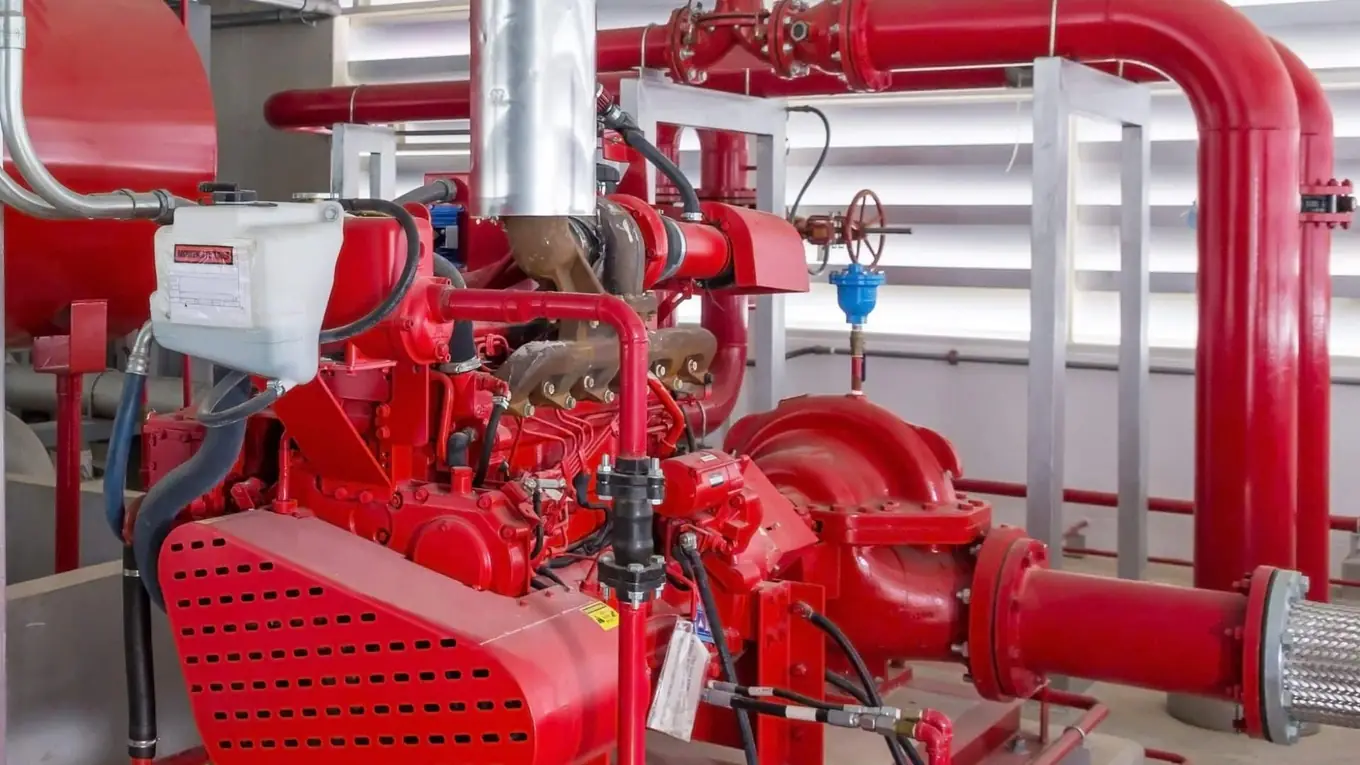
Owners often ask about fire sprinkler inspection frequency Colorado requirements as if there is one simple annual date to remember. In reality, frequencies vary by task and equipment. The safest planning habit is to build a real service calendar around the applicable intervals, document what was done, and address deficiencies promptly. Fire protection systems are only reassuring when they are ready to operate as intended. NFPA materials make that point clearly, and field experience reinforces it every year.
What good general planning usually includes
Before a project gets too far, it helps to answer a few practical questions:
- Which local jurisdiction has authority, and what local amendments or review practices may affect the project?
- What system types are likely involved, such as sprinkler, alarm, kitchen suppression, or specialty suppression?
- What inspection, testing, monitoring, and documentation obligations will continue after occupancy?
- Are there environmental or operational issues, such as freeze exposure, tenant schedule limits, or sensitive equipment rooms?
- Who is coordinating communication among the owner, designer, contractor, monitoring provider, and AHJ?
Those questions are not glamorous, but they solve a surprising number of future headaches. They also help owners evaluate where a local company like Pre Action Fire, Inc may fit. Some projects need a straightforward inspection relationship. Others need deeper coordination across sprinkler, alarm, and specialty system issues. The planning lens should come first.
The hidden cost of waiting too long
A common mistake in fire protection planning is treating it as a late-stage procurement item. Somebody finishes most of the renovation, then starts calling around for a final inspection or a certification. That approach can work on a very simple scope, but it often fails on projects with mixed occupancies, phased construction, or altered life safety systems.
Consider a basic office-to-medical conversion, or a retail shell becoming a restaurant. The fire protection implications can shift significantly even if the square footage stays the same. Monitoring expectations may change. Device layouts may change. Kitchen suppression may enter the picture. Egress and occupant notification concerns may become more complicated. If the project team waits too long to coordinate, those issues surface when budgets are least flexible.
Another problem appears in older buildings. Existing systems may have deficiencies that were tolerated for years simply because no one touched the space. The moment a remodel starts, those old problems become harder to ignore. An inspection can reveal out-of-compliance conditions, and then the owner has to decide whether to patch, repair, or modernize. There is no universal answer. Budget, occupancy, timing, and AHJ expectations all shape that call.
Fire system certification is often the visible tip of a larger process
Owners often search for fire system certification Denver support when they are close to opening or trying to satisfy a lease requirement. Certification is important, but it is best understood as the end result of successful planning, installation, testing, and documentation. If the underlying system work is disorganized, a certification request can expose every gap at once.
That does not mean every project needs a huge preconstruction effort. It does mean someone should own the details. On a well-run job, the fire protection path is tracked the same way teams track long-lead electrical gear or utility releases. Drawings are coordinated. Monitoring is planned. Testing is scheduled. Deficiencies are corrected. The owner knows what recurring service obligations begin after turnover.
In real buildings, that level of organization makes a noticeable difference. A property manager with a clean inspection history and a predictable testing calendar sleeps better than one who is chasing trouble conditions, missed inspections, and tenant complaints.
Local nuance matters across the metro area
Even within the broader Denver area, planning should account for municipal differences. A fire safety inspection Lakewood CO process may not feel identical to one in Denver, even when both are informed by similar standards and code families. The same goes for permit timing, review comments, and local administrative expectations. That is one reason experienced owners avoid copy-pasting compliance assumptions from one jurisdiction to another.
Colorado also has contexts where permits and inspections may be required for hazardous materials and other regulated fire https://frontrangecompliancecheck723.zenbloomer.com/posts/fire-code-compliance-denver-key-fire-protection-differences-between-retail-spaces-and-multifamily-buildings-2 safety work. On specialty projects, authority review and scheduling should be part of the early timeline. This is not a place for optimistic guesswork. A delayed permit or inspection can stall multiple trades.
When you look at the Denver area fire protection landscape through that lens, the role of a local provider becomes clearer. It is not just about wrenches, pipe, wire, or panels. It is about functioning within a network of local review, standards-based maintenance, climate realities, and project timing.
A practical way to think about vendor fit
When owners compare companies, the best fit usually comes down to how well the provider aligns with the building’s actual risk profile and operating needs. In broad terms, these are the coordination points that matter most:
- Familiarity with local code enforcement and the need to confirm requirements with the AHJ
- Comfort with the system types the building may need, from water-based sprinklers to alarm and specialty suppression
- Ability to support the ongoing testing rhythm required under NFPA 25 and NFPA 72
- Responsiveness when false alarms, trouble conditions, or freeze-related issues interrupt operations
- Clear communication with owners, tenants, and other trades during both project work and recurring service
That list is not a scorecard, and it is not unique to any one company. It is simply a realistic way to evaluate where a firm like Pre Action Fire, Inc might fit in general planning. Some owners need a relationship built around ongoing inspections. Others are preparing for a tenant improvement with a more complex life safety scope. The right questions are operational, not promotional.
The bigger picture for owners and managers
There is a tendency to separate fire protection into silos. Sprinklers live in one bucket, alarms in another, kitchen suppression in a third, and inspections in a fourth. Buildings do not behave that way. Their systems overlap, and their failures overlap too.
A cold snap can expose sprinkler vulnerabilities. A panel issue can become a false alarm problem. A renovation can reveal old deficiencies. A missing inspection can complicate certification. A monitoring oversight can delay approval. None of those events happen in isolation, which is why general planning is so valuable.
For Denver area owners, the smartest posture is usually a calm, local, standards-aware one. Know your jurisdiction. Confirm requirements with the AHJ. Build around the maintenance intervals required by NFPA 25 and NFPA 72. Take false alarms seriously. Respect Colorado freeze conditions. Treat specialty spaces, from kitchens to sensitive equipment rooms, as coordination-heavy environments. Then evaluate local providers, including companies such as Pre Action Fire, Inc, based on how well they fit that reality.
That is how fire protection becomes manageable. Not simple, exactly, but manageable, which is often the difference between a building that stays on track and one that keeps discovering surprises at the worst possible time.