How to Compare Scope of Work Before Scheduling Fire Protection Service
If you have ever called two fire protection companies for what seemed like the same job and received two very different proposals, you already know the problem. One quote says "annual inspection." Another says "inspection and testing." A third adds monitoring review, deficiency documentation, and certification support. The prices are not even close, and neither are the actual tasks.
That is where scope of work matters. In fire protection, the line between a basic visit and a fully compliant service call can be significant. A small wording difference can affect whether the technician is only looking at equipment, actively testing it, documenting deficiencies, coordinating with monitoring, or preparing records that help with a local inspection. If you compare price before you compare scope, you can end up paying twice, once for the cheap service and again for everything it left out.
This gets especially important in Colorado because service needs can vary a lot by system type and by location. A dry pipe sprinkler system Colorado building uses has different practical concerns than a wet system in a heated space. A pre action sprinkler system Denver facility relies on can involve more coordination between sprinkler components and fire alarm controls than a simpler setup. Add local code amendments, authority review, or a recent history of nuisance signals, and the "same job" quickly stops being the same job.
The first question is not price, it is "what exactly are they doing?"
When owners and facility managers ask me what to compare first, I usually tell them to ignore the dollar amount for a moment and circle every verb in the proposal. Inspect. Test. Repair. Replace. Certify. Monitor. Document. Witness. Coordinate. Those verbs tell the real story.
NFPA 25 is the primary standard for inspection, testing, and maintenance of water-based fire protection systems, including sprinklers. NFPA 72 covers fire alarm and signaling systems, including inspection, testing, maintenance, monitoring, and emergency communications functions. Those standards matter because a quote may casually mention one without actually describing the tasks tied to it. "Per NFPA 25" sounds reassuring, but the useful question is still, "Which inspection and testing activities are included on this visit, and which are not?"
That matters because service frequencies are not all annual. Water-based fire protection work can involve monthly, quarterly, semiannual, annual, and multi-year intervals. So if one contractor prices an "annual sprinkler visit" but excludes quarterly or monthly tasks the owner still needs to plan for, that quote is not a complete picture of your service calendar. A low number in the short term can hide a higher total cost across the year.
On the alarm side, the same logic applies. A quote for NFPA 72 fire alarm testing Denver properties need should clearly state whether it covers devices, panels, signal verification, communication pathways where applicable, and documentation of results. If it only says "test alarm" without detail, that is too vague to compare intelligently.
System type changes the scope more than many owners realize
A common mistake is assuming all sprinkler service calls look alike. They do not. A dry system, a pre-action system, and a standard wet system each create different expectations for labor, coordination, and scheduling.
Take a dry pipe sprinkler system Colorado buildings often use in unheated or exposed spaces. The practical concern is obvious: cold weather. Any discussion of sprinkler freeze protection Colorado owners are planning for should trigger more detailed scoping questions. Is the visit limited to routine inspection items, or is the contractor also reviewing vulnerable areas, signage, and conditions that could affect freeze risk? If a facility has had prior winter issues, that history should shape the proposal. Otherwise, you may receive a generic inspection quote for a very specific seasonal problem.
A pre action sprinkler system Denver data room, archive area, or specialty facility might use raises another issue. Pre-action systems involve a relationship between sprinkler equipment and releasing or detection logic. That does not mean every service provider needs to do everything in one visit, but it does mean the scope should say who is responsible for what. If one company is testing sprinkler components while another handles fire alarm detectors and panels Denver facilities rely on, someone needs to define the handoff. If that handoff is missing, the owner becomes the coordinator by default, and that is where missed steps happen.
Kitchen and special hazard systems deserve the same attention. A quote for commercial kitchen fire suppression Denver service should not be treated as interchangeable with a quote for general sprinkler inspection. Likewise, clean agent fire suppression Colorado facilities maintain for sensitive equipment or spaces is a separate category of system with its own service needs. Even if you are only scheduling a routine visit, the scope should identify the exact systems involved rather than lumping everything into "fire protection."
Local requirements can shift the real scope
This is where many comparisons go sideways. Denver adopts the ICC code family with local amendments, and those local fire and building requirements can differ from the base model codes. That means a contractor who gives you a code-based proposal without reference to local conditions may still be giving you an incomplete proposal.
You do not need every vendor to write a legal memo. You do need them to show awareness that local review matters. In Denver, false alarm issues are a good example. Local amendments address repeated unintentional false alarms and can require repair or replacement of problematic systems, with reimbursement for some false alarm responses. If your building has a history of fire alarm false alarms Denver enforcement has already flagged, that history belongs in the scope conversation. A proposal that offers "annual test only" may not address the actual problem that prompted the call.
The same is true for monitoring. Denver code requires some fire alarm or emergency communication devices to transmit to a central station, a commercial monitoring service, or a continuously staffed monitoring service, depending on the application. So if you are comparing quotes that mention fire alarm monitoring Aurora CO or elsewhere in the metro area, ask whether the scope includes simply checking panel condition, confirming communication functions where required, coordinating with the monitoring entity during testing, or helping resolve reporting issues. Those are different services. They should not be blended into one vague line item.
Authority review can also affect timing and cost. Colorado and local fire authorities may require permits and inspections for some regulated fire safety work, including certain hazardous materials situations. Even when your service is straightforward, the proposal should acknowledge whether permitting or authority coordination is part of the job, excluded from the job, or not expected based on the current understanding of the work. That one sentence can save a week of confusion later.
What a useful scope comparison actually looks like
A good comparison is less about technical jargon and more about whether each proposal answers the same practical questions. I like to see the work broken into labor, testing, documentation, coordination, and follow-up. If one proposal is missing one of those buckets, it may still be valid, but at least you know what is absent.
Here are five questions worth asking every bidder before you schedule service:
- Which exact systems are included in this visit, and which are excluded?
- Is this inspection only, or does it include testing, documentation, and deficiency reporting?
- Which code or standard intervals are being addressed on this visit, such as annual versus quarterly requirements?
- Does the scope include coordination with monitoring, building staff, or the authority having jurisdiction if needed?
- What happens if deficiencies are found, are repairs, re-tests, and certification separate?
Those questions sound simple, but they quickly expose thin proposals. A thorough contractor can usually answer them directly. A vague contractor tends to slide back to general phrases like "full service" or "standard compliance check." Those phrases do not mean much unless they are tied to actual tasks.
Inspection is not the same as testing, and testing is not the same as repair
This distinction causes a lot of avoidable friction. Owners often think they bought one service call and later learn they bought only the first third of the process.
Inspection usually means observing condition, accessibility, visible damage, labeling, and similar items. Testing usually means operating components or initiating functions to verify performance. Repair means correcting deficiencies. Certification, where applicable in local practice or owner requirements, can involve its own paperwork or follow-up after deficiencies are cleared. If your proposal compresses all of this into one phrase, ask for a rewrite.
The difference matters on both sprinkler and alarm work. A quote for NFPA 25 inspection Colorado service may meet your immediate need if you are due for inspection tasks and already have a plan for any follow-up testing or repairs. But if your building manager assumes that "inspection" includes any device activation, valve exercise, documentation package, or post-deficiency correction, disappointment is coming.
The same goes for alarms. A proposal for fire alarm detectors and panels Denver facilities maintain might include device testing, panel review, and reporting, or it might mean visual inspection only. If you are trying to satisfy a scheduled NFPA 72 fire alarm testing Denver requirement, you need that spelled out in plain language.
The service calendar matters as much as the single visit
One of the most practical ways to compare scope is to stop thinking in one appointment at a time. Fire protection service is a calendar, not a one-off errand. NFPA 25 materials make clear that many sprinkler tasks occur at different intervals, from monthly up through multi-year checks. A contractor who understands your building should be able to discuss that rhythm, even if the current quote only covers one visit.
This is where owners often ask about fire sprinkler inspection frequency Colorado buildings should expect. The honest answer is that different tasks land on different intervals, and the service plan should reflect that. A good scope comparison will tell you whether this visit addresses only one frequency point or forms part of a broader annual plan. That makes budgeting easier and reduces the chance of missing required work because everyone assumed it was part of something else.
I have seen facilities unknowingly stack services inefficiently, bringing one vendor for sprinkler inspection, another for alarm testing, and a third later for re-testing after a deficiency that could have been coordinated the first time. That may still be the right arrangement in some buildings, especially where specialty systems are involved, but it should be a deliberate choice. If two bids appear far apart in price, sometimes the higher one simply reflects better coordination.
Documentation is part of the deliverable, not an afterthought
A service visit without clear records has limited value. That is especially true when a property manager changes, an insurance representative asks questions, or the local fire authority requests proof of work. Documentation is not glamorous, but it belongs in the scope.
Ask what records you will receive. Will the report identify inspected systems by location? Will deficiencies be separated from recommendations? Will the report show what was tested versus what was only observed? If your site expects a fire system certification Denver process at the end of the work, the proposal should explain whether the contractor is providing supporting documentation only or handling the certification-related steps that fall within their role.
This matters in municipal and multi-site portfolios. A fire safety inspection Lakewood CO property manager handles may need a somewhat different package of records than a downtown Denver office with stricter coordination demands and a history of alarm issues. The point is not that one city is harder than another. The point is that you should not assume the reporting package is identical unless the scope says so.
False alarms deserve their own scope discussion
Many owners treat false alarms as a side annoyance, but repeated nuisance signals can become a cost issue and a compliance issue. In Denver, local amendments address problematic systems and repeated unintentional false alarms, including repair or replacement obligations in some circumstances and reimbursement for certain responses.
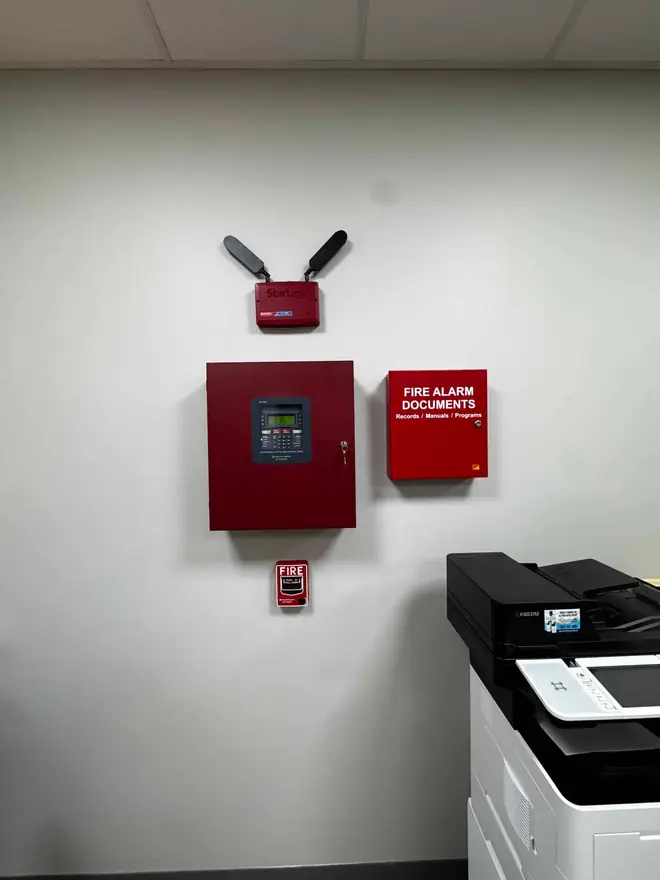
So if your building has experienced fire alarm false alarms Denver responders have already noted, compare proposals through that lens. One contractor may offer basic testing. Another may frame the job around problem diagnosis, device https://denverspecialhazard463.currentvale.com/posts/how-to-prepare-staff-for-a-temporary-fire-protection-outage-in-commercial-buildings review, panel history, and recommendations for corrective action. Those are not equivalent scopes. The second may cost more up front, but if your real objective is to stop repeat incidents, the first may be the more expensive choice by the time you add callbacks and response-related costs.
This is one of those edge cases where the cheapest proposal can be actively unhelpful. If the problem is intermittent or tied to a specific area, a good scope should mention the need for owner input about timing, occupancy conditions, weather patterns, or recent changes in the building. Practical troubleshooting often starts there, not in the code book.
Special spaces require sharper questions
A server room, freezer-adjacent corridor, museum storage area, restaurant line, and light industrial work area can all sit inside the same property portfolio, but they should not be scoped the same way. That is where broad labels like "annual fire service" break down.
If you have specialty hazards, ask for system-specific language. A clean agent fire suppression Colorado installation should be named specifically. So should a commercial kitchen fire suppression Denver system. If the property includes a pre action sprinkler system Denver operation depends on for a sensitive space, the proposal should show whether coordination with the alarm side is included and whether any required shutdown windows or tenant communication need to be scheduled in advance.
Likewise, buildings exposed to freeze risk need a scope that reflects reality. A contractor might not be redesigning anything during a routine service visit, but if the facility's concern is sprinkler freeze protection Colorado winter conditions can challenge, a generic quote will not answer the real question. Owners should say that plainly when requesting bids. Better inputs lead to better scopes.
Red flags that usually show up before the work starts
Most service problems announce themselves early. You can often spot them while comparing proposals, before anyone sets foot on site.
- The proposal uses broad terms like "inspect system" without naming the system type or the actual tasks.
- It references NFPA 25 or NFPA 72 but does not say which frequency interval or activities are included.
- It assumes local approval, certification, or monitoring coordination without stating whether those steps are included.
- It does not explain how deficiencies, repairs, or re-tests will be handled if issues are found.
- It gives one flat price for multiple very different systems with no breakdown at all.
None of those issues automatically disqualifies a contractor. Sometimes a short proposal is just a starting point. But each one is a prompt to ask better questions before you commit to a date.
A practical way to compare two proposals side by side
When I review competing scopes with a facility manager, I usually rewrite them in plain English. Proposal A includes annual sprinkler inspection, but excludes testing of related alarm functions. Proposal B includes sprinkler inspection, alarm coordination, monitoring notification, and deficiency reporting. Once you translate each one into simple sentences, the cost difference often makes more sense.
This also helps with internal approvals. If a controller or regional manager is deciding between bids, they may not know what separates inspection from testing or why a dry system may take different attention than a wet one. A plain-language summary keeps the decision tied to operational risk rather than sticker shock.
It is also smart to compare what each contractor assumes your team will handle. Will your staff provide access to locked spaces? Will someone need to contact tenants? Will a monitoring service need to be placed on test? Does the building engineer need to accompany the technician? Those details affect labor and scheduling. If one contractor assumes heavy owner support and the other assumes a more turnkey visit, the prices will reflect that.
The best scope usually sounds a little less polished and a lot more specific
The proposals that inspire the most confidence are rarely the fanciest. They are the ones that name the actual systems, state the actual tasks, and acknowledge the real-world conditions of the building. They leave less room for pleasant assumptions.
If you are scheduling service for a mixed property with alarms, sprinklers, monitoring, and one or two specialty systems, ask for a scope that reads like someone actually pictured the site. If the building has a dry pipe sprinkler system Colorado winter weather makes more demanding, that should be reflected. If past fire alarm false alarms Denver rules have already turned into a headache, that should be reflected. If the property needs coordination around fire alarm monitoring Aurora CO tenants depend on, that should be reflected too.
That level of specificity is not overkill. It is the fastest path to an accurate price, a realistic schedule, and fewer surprises after the truck arrives.
When you compare scope carefully before scheduling fire protection service, you are not just negotiating a contract. You are reducing ambiguity in a part of building operations where ambiguity tends to get expensive fast.