Impaired Fire Protection Systems in Commercial Buildings: What Denver Managers Should Do First
An impaired fire protection system changes the risk profile of a building fast. What was a routine workday at 8:00 a.m. Can turn into a much more serious management problem by 8:15 if a sprinkler control valve is shut, a fire alarm panel shows trouble, or a fire pump fails a test. In a commercial property, that kind of impairment is not just a maintenance issue. It affects life safety, tenant operations, insurance conversations, and code compliance all at once.
For Denver property managers, facility directors, and building engineers, the first few decisions matter more than most people realize. I have seen the difference between a controlled response and a chaotic one, and it usually comes down to whether the manager treats the impairment as an active event rather than a work order. When that shift happens early, the building team tends to make better calls, notify the right people, and keep cleaner records.
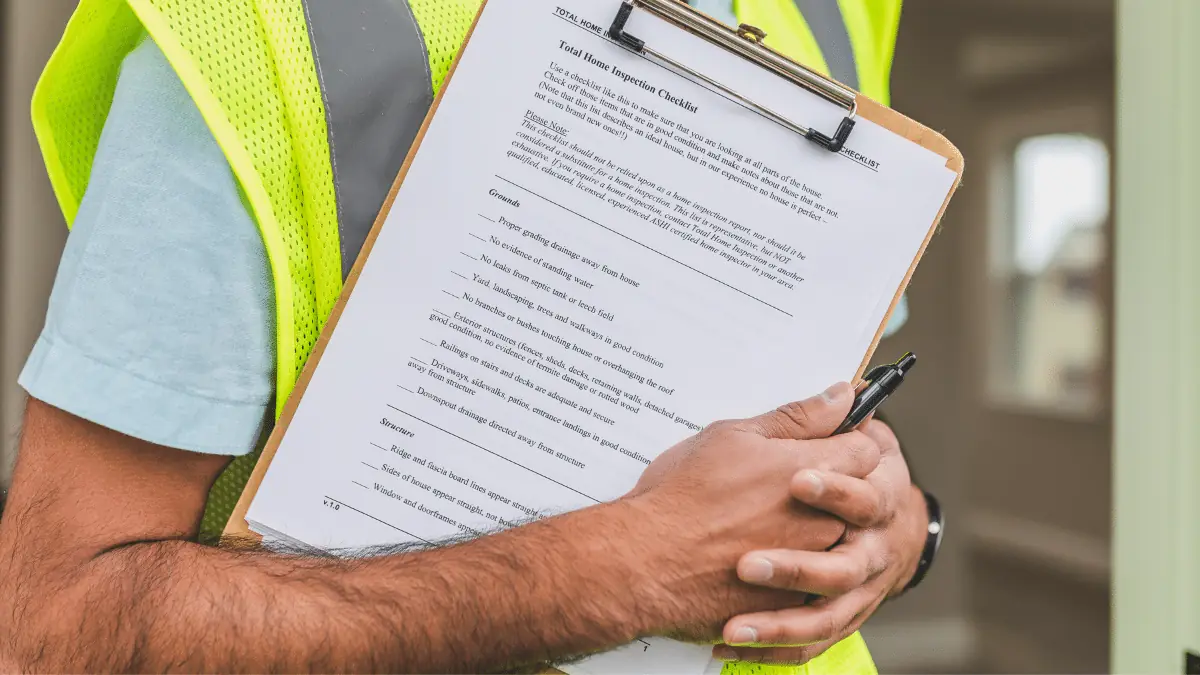
A lot of confusion starts with the word “impaired.” Some owners use it only for a fully offline sprinkler or alarm system. In practice, the problem is broader. A device can be partially disabled, under repair, in trouble condition, shut off for construction, or unable to perform its intended protective function. Whether it is a full shutdown or a significant loss of reliability, the building needs attention right away.
Denver puts real emphasis on fire code enforcement through the Fire Code Official, the Fire Marshal, and the Denver Fire Department Fire Prevention Division. The city also inspects commercial and institutional properties on an annual cycle, usually about every 12 months, and those inspections can include review of test records for fire safety systems. That means the condition itself matters, and so does the paper trail showing how it was handled.
What counts as a serious impairment
Not every signal on a panel means the same thing, and managers get in trouble when they flatten every issue into “call the vendor and wait.” A single detector trouble on a large fire alarm may not create the same immediate exposure as a drained sprinkler riser serving an occupied floor. But both deserve a prompt, structured response.
With commercial fire protection Colorado properties, the highest concern is whether the system can still detect, notify, control, or suppress fire as intended. If the building loses those capabilities in an area where people are working, sleeping, storing materials, or receiving the public, the problem stops being theoretical. That is where experienced judgment comes in. You are not just asking, “Is there a defect?” You are asking, “What level of protection is missing right now, where, and for how long?”
A few examples make this clearer. If a fire alarm panel is in trouble but still capable of receiving alarm signals and sounding notification, the risk may be more manageable than a system that cannot transmit supervisory or alarm conditions for fire alarm monitoring Denver service. If a sprinkler head has been damaged and a zone has to be isolated, the risk depends on occupancy, the size of the affected area, and how long that section will remain out of service. If a fire pump inspection Denver contractor finds a problem that prevents the pump from operating as intended, the concern becomes much more urgent in buildings that depend on that pump for adequate water pressure.
The same logic applies to support components that managers sometimes overlook. A failed backflow inspection Denver issue may affect the water supply arrangement and trigger a broader review. A neglected extinguisher program can leave employees without a basic first response tool. On their own, those may sound like separate maintenance tasks. During an impairment, they become part of the same larger question: what protections remain in place, and are they enough for the building’s current use?
The first move is not paperwork, it is control
When a system becomes impaired, the first priority is to stabilize the situation. Before anyone starts talking about annual reports, invoices, or scheduling windows, the manager needs to know exactly what is down, what still works, and who is in the building.
That usually means slowing the moment down and asking direct questions. Is the fire alarm system fully operational, partially operational, or unable to provide notification? Is the sprinkler system active throughout the building, or is one floor, one riser, or one tenant space isolated? Did this happen during planned work, or did it fail unexpectedly? Is there any active hazard, such as water flow, electrical fault, construction dust, heat-producing work, or unauthorized valve closure?
If the answer is unclear, do not let that ambiguity sit. An unclear impairment often turns out to be worse than the first description suggested. I have seen “we just have a panel issue” become “the building has not had proper alarm transmission since yesterday afternoon,” and “we shut one valve for a repair” become “half the tenant improvement area has no sprinkler protection until Monday.” Those are very different situations, but both can be hidden by vague language in the first ten minutes.
Here is the basic sequence Denver managers should follow when the impairment is confirmed:
- Identify the exact systems and areas affected, including whether the issue involves alarm, sprinkler, suppression, pump, monitoring, or water supply components.
- Notify the appropriate internal decision-makers immediately, especially building ownership, facilities leadership, security, and affected tenants or occupants when their spaces are impacted.
- Contact qualified fire protection service providers right away for diagnosis and restoration, whether that means fire protection Denver specialists, fire alarm monitoring Denver support, or emergency fire protection Denver response.
- Document the start time, observed condition, affected zones or devices, and every action taken from that point forward.
- Adjust operations as needed to reduce exposure until protection is restored, particularly if occupancy, contractor activity, or high-risk work could make the impairment more dangerous.
That list looks simple, but execution is where managers either protect the building or drift into avoidable exposure. “Document the start time” sounds minor until an inspector asks how long the system was impaired. “Notify affected tenants” feels administrative until someone in a disabled area keeps working as if the building still has full protection. “Adjust operations” can be the difference between a manageable service interruption and a serious life safety failure.
Why Denver managers need to think about permits sooner than they expect
One of the more common mistakes during an impairment is assuming the fix is just repair work and can start immediately. In some cases, it can be that straightforward. In others, especially when work involves installation, modification, alteration, or repair of fire suppression systems, permits and approved plans may come into play before the work should proceed.
Colorado law is clear that fire suppression system installation, modification, alteration, or repair generally cannot begin until required permits have been obtained and the job has been registered, with working plans and hydraulic calculations reviewed and approved. Denver also requires permits for most construction, alteration, or repair work on private property. If the impairment leads to scope changes beyond basic troubleshooting or maintenance, managers should expect a permit conversation early.
This is where experienced contractors are valuable. A good vendor will tell you quickly whether the condition looks like routine service, an acceptance issue, or permit-triggering work. Denver’s process includes fire protection engineering review, and final sign-off on fire alarm and fire protection permits depends on acceptance or approval. If a manager waits too long to surface that issue, everyone loses time. The contractor is stalled, the building remains exposed, and the owner gets frustrated because “a simple fix” suddenly has plan review implications.
That is especially relevant on remodels and tenant improvements. Some impairments happen in existing occupied buildings because another trade damaged a device, closed a valve, disrupted supervision, or created a condition that now has to be corrected through formal fire sprinkler installation Denver or alarm permit channels. When that happens, the fastest path is usually honest scoping, not wishful thinking.
Denver also adopted new 2025 Building and Fire Codes effective December 31, 2025, with some projects allowed to use either the 2025 or 2022 code set depending on submittal date. Managers do not need to become code consultants overnight, but they should understand that timing and project status can affect how repair or alteration work is processed.
Fire alarms and sprinkler systems fail differently, and that matters
A lot of articles blur every life safety system into one category. In the field, that is rarely useful. Fire alarm, sprinkler, suppression, extinguishers, and pumps each have different operational roles and different inspection, testing, and maintenance expectations.
NFPA 72 is the national code tied to fire alarm and signaling system design, installation, inspection, testing, maintenance, and emergency communications systems. In plain terms, it governs how alarm systems initiate, notify, supervise, and continue to perform over time. If the impairment affects a panel, monitoring path, notification appliance, detector circuit, or supervisory signal, you are in the fire alarm lane.
NFPA 25 covers inspection, testing, and maintenance for water-based fire protection systems. That includes the routine care side of sprinklers and related water-based components. If the issue involves sprinkler control valves, water flow devices, risers, gauges, pipes, fire pumps, or similar equipment, managers should think in NFPA 25 terms.
This distinction matters because it affects who needs to respond, what records are relevant, and what “restored” really means. A building manager may call one company for fire suppression systems Denver service and another for fire alarm monitoring Denver support. Sometimes one contractor handles both. Sometimes they do not. During an impairment, assumptions create delays. Clear system identification saves hours.
The same goes for system certification and closeout. Fire system certification Colorado discussions tend to become important after significant work, replacements, permit activity, or acceptance testing. That is not the same as a basic service ticket saying a device was replaced. Managers should know the difference and ask for the right documentation at the end.
What inspectors and officials will care about later
Once the immediate problem is controlled, the building’s record becomes almost as important as the repair itself. Denver’s annual fire safety inspections can review exits, emergency lighting, fire-resistive separations, fire lanes, and test records for fire safety systems. If violations are found, the property can receive an order notice for correction.
That means a manager should think ahead while the event is still happening. If Denver Fire Prevention Division staff, an owner’s risk team, or a tenant later asks what happened, you want a timeline that makes sense. Not polished, not defensive, just accurate.
The most useful records are usually the plain ones. When was the issue discovered? Who found it? What exact signal, valve status, or deficiency was observed? Which contractor was called, and when did they arrive? What temporary operating decisions were made while the impairment was active? When was the system tested or restored? If approval, acceptance, or permit follow-up is required, what is the current status?
I have watched managers create problems by overcomplicating this. They generate pages of vague notes and still fail to answer the critical questions. A single page with timestamps and plain descriptions is often better than a long, fuzzy incident memo.
Occupancy decisions are where judgment really shows
Some impaired systems can be repaired with little disruption. Others force hard calls. Can people stay in the space? Should a contractor keep working in an area with reduced protection? Does a tenant event need to be postponed? Is overnight occupancy still reasonable if a major system is down?
The verified rules here depend on the specific condition and local enforcement decisions, so no one should pretend there is a one-size-fits-all answer. But in practice, a manager’s job is to reduce exposure, not to gamble on best-case outcomes.
If a building has an impaired sprinkler zone during active construction, the manager should look closely at what work continues in that area. If the alarm system has reduced functionality, the manager should think about how occupants would be notified if a fire started. If the system outage affects a kitchen hood suppression setup or another special hazard system, the operation itself may need to pause until protection click here is back. That is not alarmism. It is basic risk management.
This is also where communication style matters. Occupants do not need drama, but they do need clarity. A short message that says a life safety system is impaired, service is in progress, and certain precautions or restrictions are in place will do more good than a vague email saying “maintenance is being performed.” People make better decisions when they understand the seriousness without being frightened.
The vendors you call first can shape the whole outcome
Denver managers often have multiple fire vendors, and that is not automatically a problem. One contractor may handle fire extinguisher inspections Denver work, another may manage sprinkler service, and another may oversee alarm monitoring. The issue is not the number of vendors. The issue is whether the manager knows who owns what when the building is impaired.
For a real event, the contact sheet should already distinguish among routine service, emergency response, monitoring support, and permit-related work. If your team has to dig through old invoices to figure out who is responsible for a fire pump, you are behind before the first callback happens.
A solid service relationship also matters during annual compliance work. Denver commercial and institutional properties are generally inspected every year, and those visits can include review of system records. Regular fire safety inspections Denver programs, fire extinguisher inspections Denver service, fire pump inspection Denver testing, and backflow inspection Denver scheduling all help reduce the chance that a surprise impairment appears at the worst possible time. None of those programs eliminate failures, but they do shrink the number of ugly surprises.
The strongest providers tend to be the ones who communicate plainly. They tell you whether the issue is a simple repair, a code-sensitive deficiency, a permit-triggering alteration, or a condition that may require Fire Department coordination. They do not hide behind jargon, and they do not promise same-day restoration when they have not even identified the failed component yet.
The documents worth gathering before the technician arrives
Most properties do not keep fire protection records in perfect shape, but even a modest amount of organization helps a lot when a system goes down. Before or during the service call, pull together these items if you have them:
- The most recent inspection, testing, and maintenance records for the affected system.
- Prior deficiency reports, service tickets, and any open recommendations related to the same equipment.
- Basic building and system information, such as affected floors, riser or panel identification, and tenant areas involved.
- Permit or acceptance records if the system was recently installed, altered, or still in project closeout.
- Contact information for monitoring providers, service contractors, ownership representatives, and key occupant contacts.
That is enough to give a competent technician context without turning the response into an office exercise. I have seen a twenty-minute delay disappear just because the manager could say, “This riser had a supervisory issue last quarter, and here is the report,” or “This panel was part of a recent tenant improvement, and final acceptance is still pending.”
Planned impairments deserve the same respect as surprise failures
There is a special kind of complacency that shows up during planned shutdowns. Because everyone “knows about it,” people treat the impairment as less serious. In some ways, planned outages deserve more discipline, not less.
If a contractor needs to isolate a sprinkler section for repair, or alarm devices must be taken offline during work, the manager should still treat that condition as an active reduction in building protection. The same questions apply: what area is affected, for how long, who needs to know, what work is being performed nearby, and what documentation will prove the system was properly restored?
Denver’s process for permits, review, and acceptance can matter here too. When work crosses from maintenance into alteration or repair requiring formal approvals, a casual shutdown can become a compliance issue. Managers who assume “the contractor has it handled” without checking permit status often discover the problem late, usually when closeout stalls or an inspector asks for records.
Special inspections and acceptance testing may also require coordination with the Fire Department, and in some cases can occur outside normal business hours when needed. That is useful for occupied commercial sites where daytime disruption is hard to manage, but it still requires planning. A rushed Friday shutdown with no restoration window and no testing coordination is how small jobs become weekend emergencies.
What “done” actually looks like
An impairment is not over just because a technician says the issue was fixed. For practical purposes, the event ends when the system is restored to its intended function, any necessary testing or acceptance steps are completed, monitoring status is confirmed where applicable, and your records reflect the timeline accurately.
That last part matters more than people think. If a property later faces a claim, an inspection question, or a tenant dispute, memory will not carry the day. Records will.
Good closeout is usually straightforward. The contractor identifies the cause, performs the appropriate repair or approved work, verifies operation, notes any follow-up deficiencies, and provides service documentation. If the issue involved formal review, permit activity, or acceptance testing, the manager tracks that through completion rather than assuming a field repair ended the story.
For managers responsible for commercial fire protection Colorado portfolios, the bigger lesson is simple: do not wait for a major failure to build your process. Have a current contact chain. Know which systems are monitored and by whom. Keep recent test records accessible. Understand which buildings have pumps, backflows, special suppression, or recent permit activity. When an impairment happens, preparation cuts through stress faster than any speech about safety culture ever will.
A building with an impaired system is asking for decisive management. The first job is to understand the loss of protection. The second is to get qualified help moving. The third is to make sure the building, its occupants, and its records all reflect the seriousness of the event. If Denver managers do those three things early, most impairments stay what they should be: urgent, controlled, and temporary.
Pre Action Fire, Inc
2921 W 38th Ave, Denver, CO 80211, United States
Phone: (303) 682-0113
Website: https://preactionfire.com