What to Have Ready for Insurance Conversations After Fire System Activation
When a fire protection system activates, the first few hours tend to blur together. Someone is calling the monitoring company, someone else is shutting down equipment, and a property manager is already fielding questions from ownership, tenants, or corporate risk. Then the insurance call starts, and that is where a lot of people realize they have pieces of the story, but not the whole story.
I have seen these conversations go smoothly when the building team can explain what happened in plain language and back it up with records. I have also seen them bog down because nobody can quickly answer basic questions like which device initiated the alarm, when the last fire protection company near Denver inspection happened, whether the discharge was tied to actual heat or smoke, or whether a known deficiency was still open. Insurance adjusters do not expect you to be a fire protection engineer, but they do expect your account to be organized, factual, and consistent.
That matters even more in places like Denver and the surrounding Colorado market, where local code adoption and local amendments can shape how systems are maintained, monitored, and corrected after trouble events. Denver adopts the ICC family of codes with local amendments, so the details that apply to one property may not be identical to a different jurisdiction nearby. It is always smart to verify project specific requirements with the local authority having jurisdiction. For insurance purposes, that local layer often becomes part of the timeline, because the insurer may want to know not only what activated, but also whether the system had been inspected, tested, monitored, and restored in line with the applicable rules.
Start with the simplest version of the event
Before you gather paperwork, get the narrative straight. Not polished, not defensive, just accurate.
A useful starting point sounds something like this: at a certain time, an alarm condition was reported; a specific system or zone activated; occupants responded in a certain way; the fire department or monitoring service was notified; and the building was stabilized. If water discharged, say where it discharged. If it was only an alarm and no suppression release occurred, say that plainly. If there is uncertainty, do not fill the gap with guesses.
That simple distinction matters because “system activation” can mean very different things. A water based sprinkler event is not the same as a signal from fire alarm detectors and panels Denver properties rely on for occupant notification and supervising conditions. A discharge from commercial kitchen fire suppression Denver systems raises a different set of questions than a clean room or data room event involving clean agent fire suppression Colorado facilities may use to avoid water damage. The insurance conversation changes with the system type.
I usually tell building teams to separate the event into three buckets: what triggered, what responded, and what was damaged. Those three threads help keep the conversation clean. If the trigger is uncertain, say it is under investigation. If the response was partial, such as alarm notification without sprinkler discharge, say that too. If damage came more from water migration than from flame, smoke, or heat, note that early, because it affects both coverage discussion and mitigation priorities.
The records insurers ask for first
Most claims professionals want a clear timeline and a compact file of records. They are trying to understand whether this was an accidental activation, a legitimate fire event, a false alarm, or a maintenance issue that had been developing for a while.
Here is the core packet that usually helps the most:
- The exact date and time of the event, plus when the building team first became aware of it.
- Monitoring, alarm, or panel history showing which device, zone, or supervisory condition appeared first.
- Recent inspection, testing, and maintenance records for the affected system.
- Service reports for any open deficiencies, impairments, or pending repairs before the event.
- Photos, videos, and a brief written timeline from staff or witnesses.
That is one of those cases where five clean items save hours of back and forth. Without them, everyone starts recreating the story from memory, and memory gets fuzzy fast.
The maintenance records matter because NFPA 25 is the main standard for inspection, testing, and maintenance of water based fire protection systems, including sprinklers. It sets minimum frequencies for many tasks, and those tasks do not all fall on one annual date. Some happen monthly, some quarterly, some semiannually, some annually, and some on longer intervals. If your property uses a service calendar built around those intervals, pull it. If your insurer asks about fire sprinkler inspection frequency Colorado requirements, your answer will usually be stronger if you can show the actual inspection cadence and reports rather than trying to summarize it from memory.
For alarm systems, NFPA 72 governs fire alarm and signaling system design, inspection, testing, and maintenance, including monitoring and emergency communications functions. So if the event involved initiating devices, notification appliances, off site transmission, or trouble signals, your NFPA 72 fire alarm testing Denver documentation becomes part of the claim story. Again, the key is not to over explain. Just show the reports and identify any open corrective work.
Why the system type changes the insurance discussion
People often say “the sprinkler went off” as a catchall, but that phrase can create confusion right away. Not every building has the same style of water based protection, and insurers often need to know the difference because the cause of release, the amount of water involved, and the restoration steps can vary quite a bit.
A pre action sprinkler system Denver owners might use in sensitive spaces behaves differently from a conventional wet pipe arrangement. A dry pipe sprinkler system Colorado buildings may have in unheated or cold exposed areas also introduces different questions about valve operation, air pressure, and whether weather conditions were a factor. If the event occurred during a cold snap, sprinkler freeze protection Colorado concerns are likely to come up, especially if any portion of the piping or device location was vulnerable to freezing conditions.
That does not mean you need to turn the insurance call into a technical seminar. It does mean you should be ready to answer a few plain questions. What kind of system protected the area? Was there actual heat that opened a sprinkler, or was this a separate alarm condition? Was there any known issue with temperature control, equipment damage, or building envelope conditions before the event? Had recent service identified anything that was not yet corrected?
I have watched claims slow down because a building representative called a dry system “just a sprinkler line,” while the service report clearly described a dry valve and a cold weather risk. That mismatch makes everyone skeptical, even when nobody is trying to hide anything. Clear labels help.
The same logic applies to non water systems. A cooking line activation under a hood system will lead to questions about what equipment was operating, whether there was an actual grease fire, and when the last suppression inspection occurred. If the protected space used a clean agent system, the insurer may focus on what initiated release, what equipment was affected, and whether room conditions or follow up restoration created the larger loss.
False alarms still need organized documentation
Not every activation leads to fire or discharge. Sometimes the event is a false signal, a nuisance condition, or repeated unintentional activation tied to equipment problems. That still matters, especially in Denver, where local code amendments address false alarms and problematic systems, including repair or replacement when unintentional false alarms repeat, and reimbursement for some false alarm responses.
That local context can shape the insurance conversation in subtle ways. If your building has a history of fire alarm false alarms Denver property teams have been chasing, the insurer may ask whether this event was part of a recurring pattern. They may want to know if the system had known reliability problems, whether corrective work had been scheduled, and whether a vendor recommended replacement of aging components. If there was a prior service ticket for the same device or circuit, have it ready. It is better to disclose a known pattern with supporting records than to act surprised when the panel history tells the same story.
I would also have the building log ready if staff had responded to prior trouble conditions, supervisory alerts, or intermittent faults. Even a short note like “device reset, vendor called, follow up pending” helps establish sequence. Insurance professionals are used to imperfect records. What frustrates them is silence where a pattern should exist.
Monitoring records often settle arguments quickly
One of the most useful documents after an event is the monitoring history, because it can anchor the timeline better than memory can. Denver code text requires some fire alarm or emergency communication devices to transmit to a central station, commercial monitoring service, or continuously staffed monitoring service, depending on the application. If your site has fire alarm monitoring Aurora CO service or a similar arrangement elsewhere in the metro area, obtain the event log early.
That log can show when signals were received, whether the first event was alarm, supervisory, or trouble, whether there were resets, and when signals cleared. It can also help reconcile staff accounts. Maybe the team thought the sequence started with a sprinkler waterflow, but the monitored record shows smoke detection in a specific area first. Maybe a waterflow condition showed after a valve issue or another supervisory event. Those details matter, especially when the insurer is trying to identify proximate cause.
If the property has a multi building campus or tenant spaces with separate systems, make sure the monitoring history clearly identifies the building, panel, or account. I have seen claims files get cluttered with logs from the wrong structure because someone pulled a parent account report instead of the event specific record.
Inspection and testing history should be easy to read
You do not need a stack of every fire protection record from the last decade. You do need the recent history that shows the system was being handled responsibly.
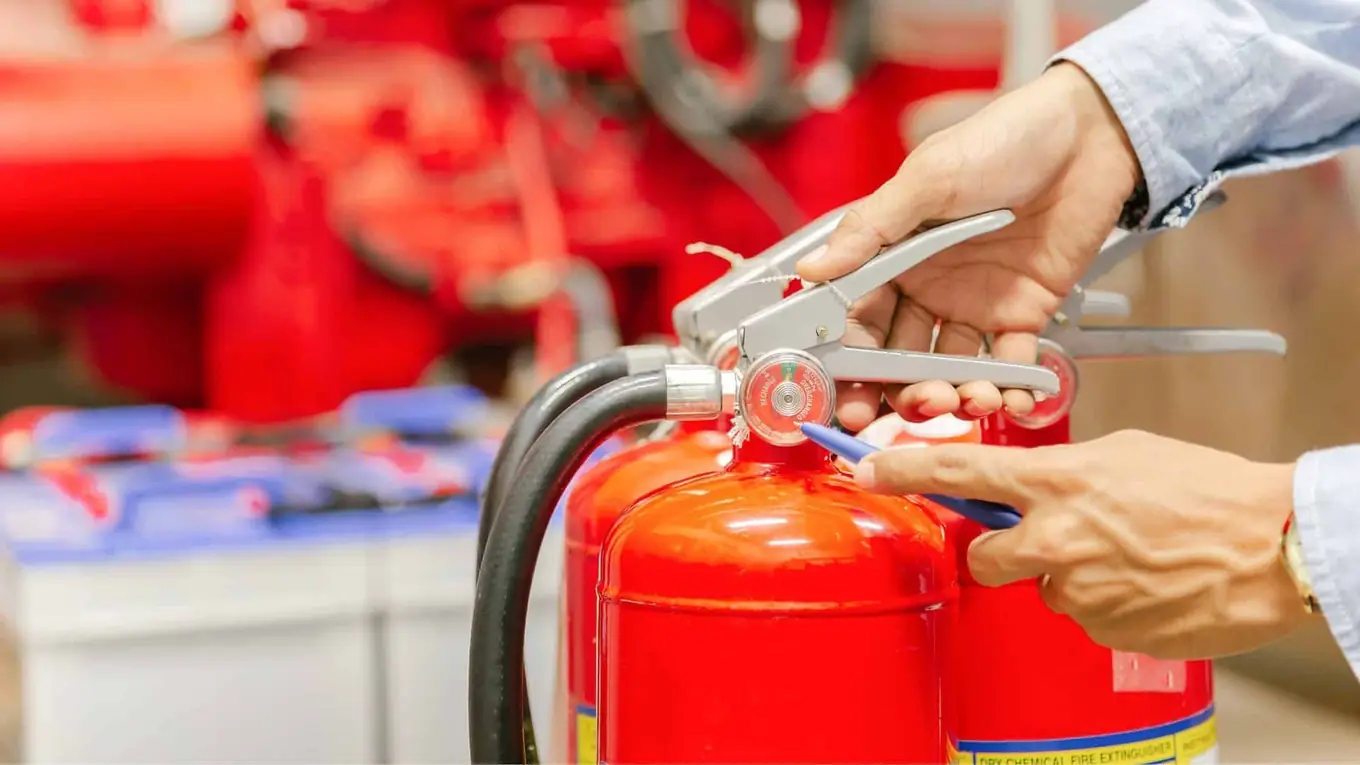
For sprinkler systems, the best file usually includes the latest inspection and testing reports, any open deficiency notices, and evidence of completed corrective work. Because NFPA 25 uses different frequencies for different tasks, a single annual report may not tell the whole story. Monthly visual checks, quarterly work, annual testing, and occasional multi year tasks can all be part of the record. If someone asks about NFPA 25 inspection Colorado practices at the property, provide the reports in date order and let the paper trail speak.
For alarm systems, include recent testing and service reports tied to the panel, initiating devices, and any related transmission path or communication issues. When discussing fire alarm detectors and panels Denver facilities depend on, it helps to identify whether the event involved a detector, pull station, waterflow, tamper, control panel fault, or another component. Broad wording creates room for misunderstanding.
If the property recently passed a fire system certification Denver process or a similar local acceptance or compliance step, include that record too, but do not oversell it. Certification or acceptance does not prove that a later event was impossible. It simply shows a documented status at a point in time.
What to gather from the scene before cleanup erases the story
Insurance conversations get harder once everything has been dried, patched, and hauled away. Immediate mitigation is still the priority, of course, but take a little time to preserve the evidence.
Photos should show the activated area from wide and close views. Capture the device, sprinkler, panel display, valve position if relevant, floor conditions, ceiling conditions, and any obvious heat, smoke, or water path. If a kitchen system discharged, photograph the appliances, hood area, and surrounding residue before deep cleaning starts. If a clean agent system released, document the room and affected equipment before everything gets rearranged.
A short statement from the first person on scene can be valuable too. Not a novel, just what they saw, smelled, heard, and did. “Arrived at 2:14 a.m., horn strobes active, water present in corridor outside suite 210, panel showed waterflow in zone X” is much stronger than a later reconstructed memory.
If the event involved a contractor or vendor working nearby, preserve that information early. Insurance carriers often want to know whether third party operations, hot work, accidental impact, dust, or temporary conditions might have contributed. If there were permits, work orders, or shutdown notices associated with the area, those records belong in the file.
Local authority involvement should be tracked, not assumed
A lot of owners overlook this piece. After an activation, there may be local fire department involvement, a reinspection, permit related follow up, or authority review tied to the restoration. Colorado and Denver materials show that local fire authorities can require permits and inspections for hazardous materials and other regulated fire safety work. More broadly, local review and scheduling can affect how fast a system is restored and whether temporary protection is needed.
For insurance purposes, keep a written record of who was contacted, what was requested, and when the system was returned to service. If a portion of the system remained impaired, note the start and end of that impairment and what interim measures were used, if any were required by your procedures or by the authority having jurisdiction. Do not assume the insurer understands local administrative steps automatically. Spell them out briefly.
This is especially important in jurisdictions with their own amendments. Denver’s local code framework can differ from a base model code. That does not mean your insurer needs a code lesson. It means if a local official required a repair, replacement, test, or follow up before normal operation resumed, you should have that documented.
The questions that tend to come up, and how to answer them cleanly
Certain questions appear in almost every claim or coverage review after a fire system event. Having a disciplined answer saves time.
When was the system last inspected? Answer with the report date and type of service, not “recently.”
Was the system in normal service before the event? If there were known deficiencies, say so and state whether they were scheduled for repair, under proposal, or newly discovered after the event.
Did the system function as intended? Be careful here. If you do not know yet, say that the cause and performance are under review. Avoid declaring perfect operation or failure until the facts support it.
Was this tied to freezing, poor maintenance, or prior false alarms? If you have weather exposure, prior service notes, or recurring alarm history, acknowledge what is known and separate it from what remains unconfirmed.
Who is handling restoration and retesting? Give the names or roles of the responsible parties, and note whether the affected system has been tested and restored, partially restored, or still impaired.
That style of answer keeps you credible. Adjusters and risk managers can work with uncertainty. They struggle when every answer sounds absolute and later has to be walked back.
A short preparation routine that works
If you want one practical habit for the next event, create a small post activation file template before you need it. It does not have to be fancy. A shared folder and a one page event sheet are enough.
Use this sequence:
- Save panel screenshots, alarm history, and monitoring logs immediately.
- Pull the latest sprinkler and fire alarm inspection and testing reports.
- Gather photos, witness notes, and any contractor activity records tied to the area.
- Record authority notifications, impairment periods, and return to service dates.
- Send the insurer one organized packet instead of a stream of scattered emails.
That routine reduces duplicate questions and helps everyone, from property management to service vendors, stay on the same page.
A few Colorado specific wrinkles worth keeping in mind
Cold weather risk is one. In Colorado, winter exposure can become part of the story quickly, especially in loading areas, attic spaces, parking structures, exterior walls, and other borderline environments. If there is any chance the event involved freezing conditions, collect temperature related context early. That does not mean guessing at causation. It means preserving the facts around building heat, exposed piping location, and any recent complaints or service visits related to freeze risk.
Another wrinkle is the difference between a code compliant system on paper and a system with real world reliability issues. A building may have current records and still suffer nuisance trips, aging component problems, or recurring panel faults. That is why the service history matters just as much as the last signed inspection form. If your site has had repeated work on the same device, circuit, valve, or suppression component, expect that pattern to matter.
A third issue is mixed occupancy or mixed system buildings. One property may have a standard sprinklered office floor, a preaction protected data room, a dry system in a dock area, kitchen suppression in a café, and monitored fire alarm transmission tying all of it together. The insurance conversation gets easier when you identify exactly which subsystem was involved, instead of speaking about “the building system” as if it were one thing.
Good preparation makes the tone of the claim better
There is a practical side to all this beyond paperwork. When you can hand over a clean timeline, current records, monitoring history, and evidence from the scene, the whole conversation changes. The insurer spends less time trying to establish basic facts and more time addressing scope, restoration, and reimbursement. Your vendors spend less time answering the same question five different ways. Your ownership team gets clearer updates.
That is the real goal. Not to win a technical argument, and not to bury the event in jargon. Just to be ready with the facts that matter.
If your property team manages systems that include a pre action sprinkler system Denver installation, a dry pipe sprinkler system Colorado setup, monitored alarms, kitchen suppression, or clean agent protection, the exact forms and reports may differ, but the principle stays the same. Know what activated, know what records prove the recent condition of the system, know whether local follow up is required, and preserve the timeline before the details scatter.
When that work is done well, the insurance call feels less like damage control and more like what it should be, a straightforward discussion grounded in records, observations, and a building team that knows its systems.